
One of the most well liked website builders for companies seeking total design flexibility without a lot of coding is Webflow. It is a well liked option for building expert websites because of its visual editor, responsive templates and no code technique.
But a lot of developing ecommerce companies require more than just a online store website builder. Merchants frequently need improved inventory management, order processing, multi store support and modern ecommerce features as their online stores grow. For this reason a lot of companies start searching for Webflow alternatives designed particularly for online sales.
The top Webflow alternatives for online retailers in 2026 will be examined in this guide, along with a comparison of their features, advantages and potential applications.
Quick Comparison of the Best Webflow Alternatives
| Platform | Best For | Key Strength | Scalability |
| Wcart | Growing Ecommerce Brands | Multi store ecommerce management | High |
| Webnexs | Enterprise Businesses | Marketplace & enterprise commerce | High |
| Shopify | Small & Mid Sized Stores | Ease of use & ecosystem | High |
| BigCommerce | Scaling Brands | Built in ecommerce features | High |
| Wix | Small Businesses | Simplicity & affordability | Medium |
| Squarespace | Creators & Lifestyle Brands | Design focused selling | Medium |
| WooCommerce | Custom Ecommerce Stores | Flexibility & customization | High |
| Ecwid | Existing Websites | Easy ecommerce integration | Medium |
Why Businesses Are Looking for Webflow Alternatives
Webflow is excellent for website design but ecommerce businesses often need stronger commerce functionality. As businesses grow, they need tools to manage inventory, orders, customers and multiple sales channels more efficiently.
Many merchants explore Webflow Alternatives for:
- Inventory management
- Multi-store operations
- Marketplace functionality
- Ecommerce automation
- Customer management
- Omnichannel selling
- Business scalability
- Flexible payment options
The best Webflow Alternatives help businesses streamline operations and support long-term growth.
8 Best Webflow Alternatives in 2026
1. Wcart
Why Wcart Is One of the Best Webflow Alternatives
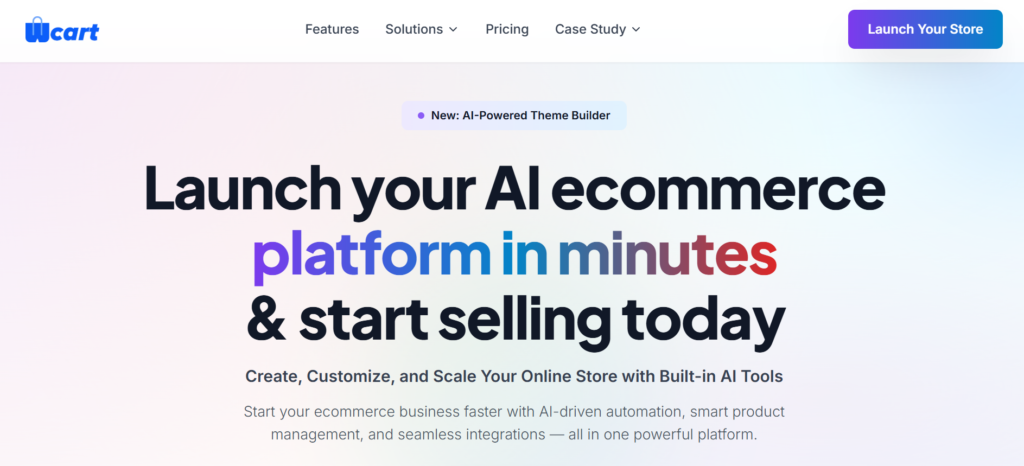
Wcart was created particularly for ecommerce companies that require more than just a website builder. From a single platform it assists retailers in managing goods, inventory, clients, orders, payments and marketing.
Wcart support for a variety of business models is one of its main advantages. Wcart offers the resources required to scale effectively, no matter whether you manage a B2B portal, an online store, a multivendor marketplace or multiple companies.
Businesses can manage various storefronts from a single account thanks to its multistore management feature, which lowers expenses and smooths operations.
Key Features
- Multistore management
- Advanced inventory control
- Multivendor marketplace support
- SEO friendly architecture
- Marketing automation tools
- Mobile responsive storefronts
- Secure payment gateways
- Third party integrations
Pros
- Built specifically for ecommerce
- Supports multiple business models
- Scalable platform
- Centralized management
Cons
- Custom pricing
Best For
Growing ecommerce businesses, multi-brand sellers and marketplace operators.
2. Webnexs
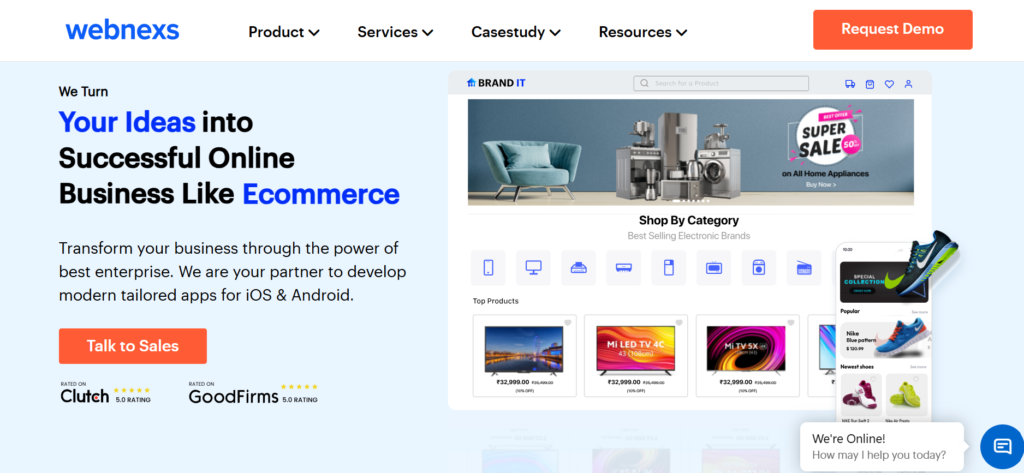
One of the most powerful Webflow alternatives for companies requiring enterprise level ecommerce capabilities is Webnexs. From a single platform, it facilitates omnichannel selling, B2B commerce, marketplaces and ecommerce stores.
Businesses with complex requirements can benefit from the platforms high degree of customization and support for headless commerce.
Webnexs is a great option for businesses looking to expand over the long term because of its scalability and flexibility.
Key Features
- Marketplace management
- B2B ecommerce capabilities
- Headless commerce architecture
- Mobile commerce solutions
- Enterprise integrations
- AI powered business tools
- Omnichannel selling support
Pros
- Enterprise ready platform
- Highly customizable
- Strong scalability
Cons
- Can be complex for small businesses
Best For
Mid sized businesses, enterprises and marketplace operators.
3. Shopify

Because Shopify was created mainly for ecommerce, it is one of the most popular Webflow alternatives. It enables companies to swiftly open online stores without the need for technical skills.
Its huge app ecosystem, which enables merchants to add advanced functionality like email marketing, subscriptions, shipping automation and analytics, is its greatest benefit.
Additionally, Shopify facilitates omnichannel selling, which enables companies to sell via marketplaces, social media and websites.
Key Features
- Large app marketplace
- Shopify Payments
- Omnichannel selling
- POS system
- Mobile commerce
- Marketing automation tools
- Secure checkout
Pros
- Easy to use
- Large ecosystem
- Reliable infrastructure
Cons
- Additional app costs
Best For
Small to medium sized ecommerce businesses.
Read More: To Know about Shopify Alternatives
4. BigCommerce

One of the best Webflow alternatives for companies looking to expand is BigCommerce. Many complex ecommerce features are available on the platform without the need for a large number of third party apps.
It facilitates multi channel commerce, product management, B2C and B2B sales and powerful SEO tools.
BigCommerce is intended for companies that anticipate increased traffic and more broad product catalogs.
Key Features
- B2B ecommerce functionality
- Multichannel selling
- Advanced SEO tools
- API first architecture
- Enterprise capabilities
- Product management tools
Pros
- Strong built in features
- No transaction fees
- Good scalability
Cons
- Learning curve for beginners
Best For
Fast growing ecommerce brands and enterprise businesses.
Read More: To Know about Bigcommerce Alternatives
5. Wix
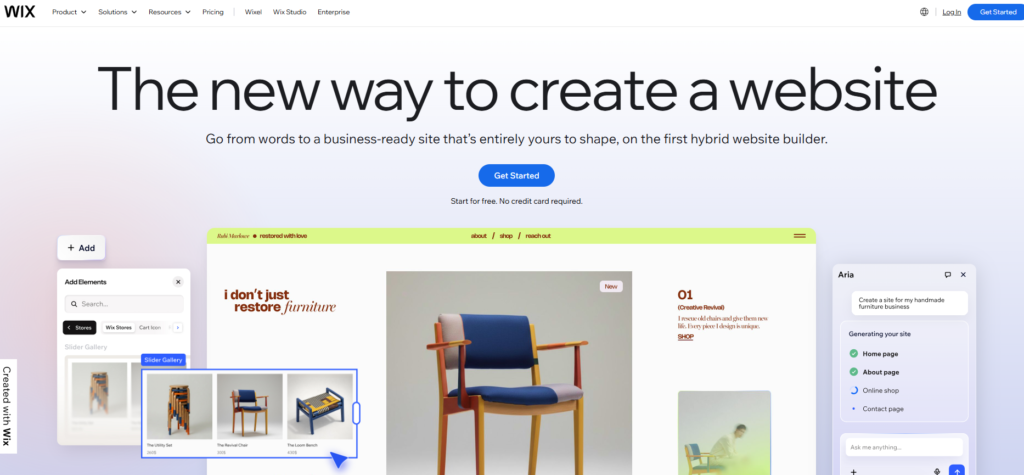
Wix is an easy to use and reasonably priced solution for small businesses and startups. Without technical knowledge, users can create websites and online stores using its drag and drop builder.
Inventory control, payment processing, marketing tools and SEO settings are among the ecommerce features offered by the platform.
Due to Wix’s ease of use, companies with advanced ecommerce needs might eventually outgrow the platform.
Key Features
- Drag and drop website builder
- Ecommerce templates
- Inventory management
- Marketing tools
- SEO settings
- Mobile optimization
Pros
- Easy to use
- Affordable pricing
- Fast setup
Cons
- Limited scalability
Best For
Startups, entrepreneurs and small businesses.
Read More: To Know about Wix Alternatives
6. Squarespace
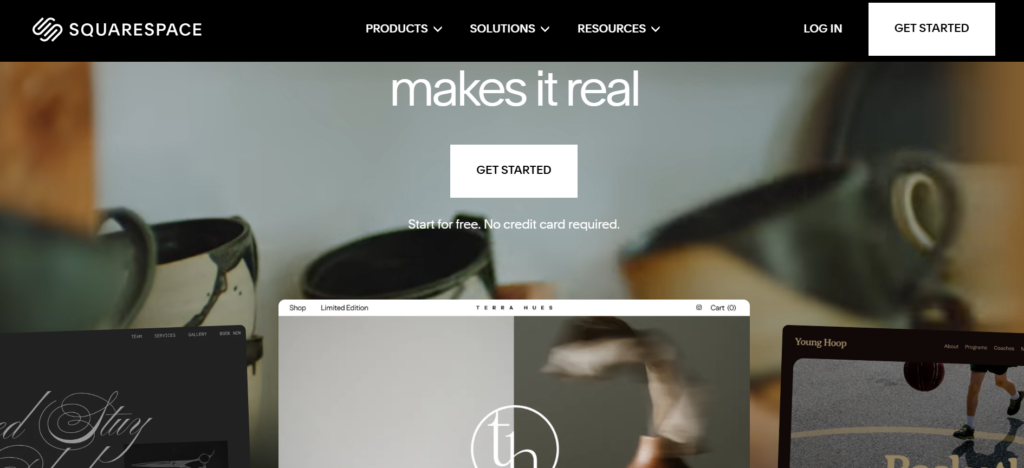
Among Webflow alternatives Squarespace is a well liked option for companies that place a high value on design and branding. It provides a user friendly interface and well crafted templates.
Additionally, the platform offers e-commerce features like integrated payments, digital goods, subscription services and inventory management.
Squarespace is especially useful for companies that integrate ecommerce and content marketing.
Key Features
- Professional website templates
- Ecommerce functionality
- Content management tools
- SEO settings
- Mobile responsive designs
- Subscription product support
Pros
- Beautiful designs
- Easy management
- Strong content capabilities
Cons
- Limited advanced ecommerce functionality
Best For
Creative brands, personal brands and content driven businesses.
Read More: To Know about Squarespace Alternatives
7. WooCommerce
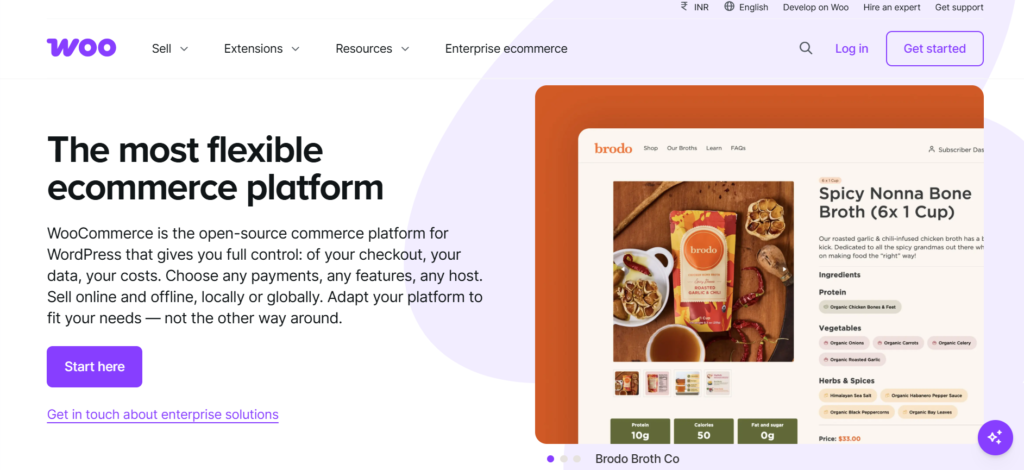
Because WooCommerce is based on WordPress, it is one of the most adaptable Webflow alternatives. Nearly every element of an online store can be customized by businesses.
Merchants can add advanced features according to their business requirements due to its extensive ecosystem of plugins and integrations.
WooCommerce is an excellent choice for companies aiming for organic growth since it is also very SEO friendly.
Key Features
- Open-source ecommerce platform
- WordPress integration
- Extensive plugin ecosystem
- Flexible customization
- SEO-friendly structure
Pros
- Complete ownership
- Unlimited customization
- Strong SEO capabilities
Cons
- Requires ongoing maintenance
Best For
Businesses requiring full control and customization.
Read More: To Know about Woocommerce Alternatives
8. Ecwid
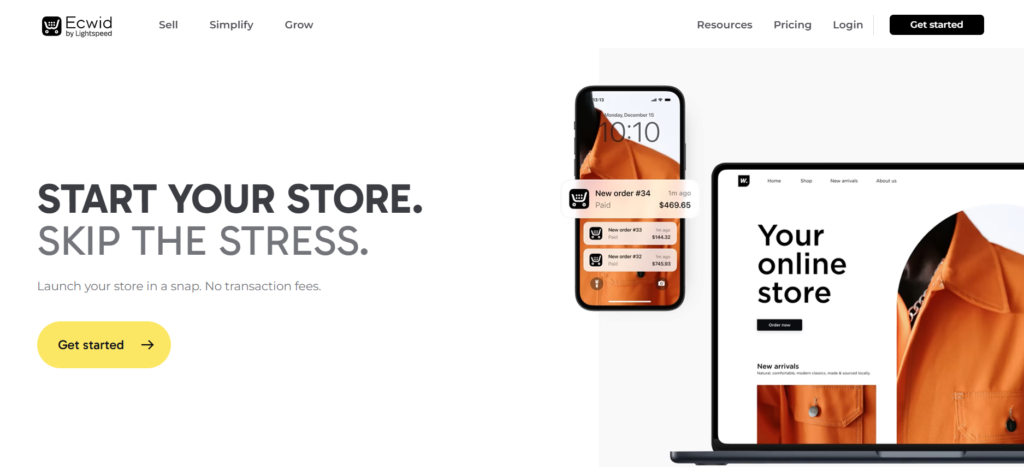
One of the most useful Webflow alternatives for companies that already have a website and wish to include ecommerce features is Ecwid.
Merchants can quickly begin selling online by integrating Ecwid rather than rebuilding an entire website. The platform facilitates multichannel selling, product management and inventory management.
It is an excellent option for small businesses due to its affordability and ease of use.
Key Features
- Easy website integration
- Product management
- Multichannel selling
- Mobile store management
- Global payment support
- Inventory tracking
Pros
- Quick setup
- Affordable pricing
- Easy integration
Cons
- Limited enterprise features
Best For
Businesses adding ecommerce functionality to an existing website.
Read More: To Know about Ecwid Alternatives
How to Choose the Right Webflow Alternative
With so many Webflow Alternatives available, choosing the right platform depends on your business goals and future plans.
Ecommerce Features
Look for essential features such as:
- Product management
- Inventory tracking
- Order management
- Payment integrations
- Customer management
- Marketing automation
Scalability
Choose a platform that can support:
- More products
- Higher traffic
- Additional orders
- Multiple storefronts
- International growth
SEO Capabilities
The best Webflow Alternatives should offer:
- SEO-friendly URLs
- Meta tag customization
- Mobile optimization
- Fast loading speeds
- Blogging capabilities
Cost
Consider:
- Subscription fees
- Transaction charges
- App costs
- Development expenses
- Maintenance costs
Business Model Support
Make sure the platform supports your business model whether you operate a B2C store, B2B business, marketplace or multi brand operation.
Conclusion
Although Webflow is a great platform for creating attractive websites many companies eventually require advanced ecommerce features. Managing inventory, orders, customers and various sales channels becomes more important as online stores expand.
For this reason a lot of companies begin looking into Webflow alternatives that are made especially for the expansion of ecommerce. Depending on your company’s needs, platforms like Wcart, Webnexs, Shopify, BigCommerce, Wix, Squarespace, WooCommerce and Ecwid each offer special benefits.
Wcart is one of the best Webflow alternatives for expanding ecommerce companies if you’re searching for modern ecommerce features, multistore management and long term scalability.
Ready to Move Beyond Webflow?
With Wcart, you can:
✅ Manage multiple online stores from a single account
✅ Track inventory across products and locations
✅ Launch marketplace and multi-vendor businesses
Discover how Wcart can help streamline your ecommerce operations and support long-term business growth.
FAQs
Related Platform Comparisons
- 12 Best PrestaShop Alternatives – compare features, pricing & the best fit for your store.
- 9 Best Dukaan Alternatives – compare features, pricing & the best fit for your store.
- 5 Best Weebly Alternatives – compare features, pricing & the best fit for your store.
- 8 Best Jimdo Alternatives – compare features, pricing & the best fit for your store.
- 10 Best Big Cartel Alternatives – compare features, pricing & the best fit for your store.
- 10 Best Online Store Builders – compare features, pricing & the best fit for your store.

























Leave a Reply