
Quick Answer
The best Big Cartel alternative depends on what your store needs next. If you’re hitting product limits, need more control over your store, or want tools for B2B, marketplaces, and larger operations, moving to a platform with more built-in features can help you grow without having to rebuild your store later.
Key Takeaways
- Big Cartel is great for small stores, but growing businesses may need more features.
- Wcart is a strong option for growing businesses that need multi-store management, B2B selling, marketplace support, headless commerce, and advanced inventory features.
- Shopify and BigCommerce fit growing stores with strong ecommerce and selling tools.
- WooCommerce and Adobe Commerce offer more control for custom ecommerce needs.
- Wix, Squarespace, Shift4Shop, Ecwid, and Webnexs suit different types of businesses, from simple online stores to businesses that need marketplaces, B2B selling, or more advanced ecommerce features.
Big Cartel is a popular ecommerce platform designed mainly for artists, creators and small businesses. It helps users create an online store quickly without needing technical skills.
As businesses grow, many store owners start looking for Big Cartel alternatives that offer more advanced ecommerce features, better scalability, stronger customization, multi channel selling capabilities and support for larger product catalogs.
If your business is expanding and requires a more powerful ecommerce solution, these are the best Big Cartel alternatives to consider.
Common Reasons Businesses Switch from Big Cartel
- Limited room for growth – As your product range, orders, and customers increase, you may need more advanced tools to manage the store efficiently.
- Basic ecommerce features – Growing businesses may need better tools for inventory, promotions, customer management, reporting, and order handling.
- Less control over customization – Businesses with specific branding or store requirements may want more control over how their storefront looks and works.
- Basic inventory management – Larger catalogs can require better ways to track stock, manage product variations, and keep inventory organized.
- Limited B2B capabilities – Businesses selling to wholesalers or other companies may need features such as bulk ordering, special pricing, and business accounts.
- Fewer options for complex integrations – As operations grow, businesses may need to connect their store with other systems for payments, shipping, accounting, marketing, ERP, CRM, or other workflows.
Quick Comparison of the Best Big Cartel Alternatives
| Platform | Best For | Scalability | Customization | Marketplace Support | B2B Support |
| Wcart | Growing ecommerce brands and enterprises | High | Very High | Yes | Yes |
| Webnexs | Marketplace and custom ecommerce projects | High | Very High | Yes | Yes |
| Shopify | Fast growing D2C brands | High | Medium | Limited | Basic |
| BigCommerce | Mid market and enterprise businesses | High | High | Limited | Yes |
| WooCommerce | WordPress ecommerce websites | Medium High | Very High | Via Plugins | Via Plugins |
| Adobe Commerce | Enterprise ecommerce operations | Very High | Very High | Yes | Yes |
| Wix Ecommerce | Small businesses and startups | Medium | Medium | No | No |
| Squarespace Commerce | Design focused brands | Medium | Medium | No | No |
| Shift4Shop | Feature rich online stores | Medium High | High | Limited | Basic |
| Ecwid | Existing websites adding ecommerce | Medium | Medium | No | Limited |
10 Best Big Cartel Alternative for Ecommerce Platform
1. Wcart
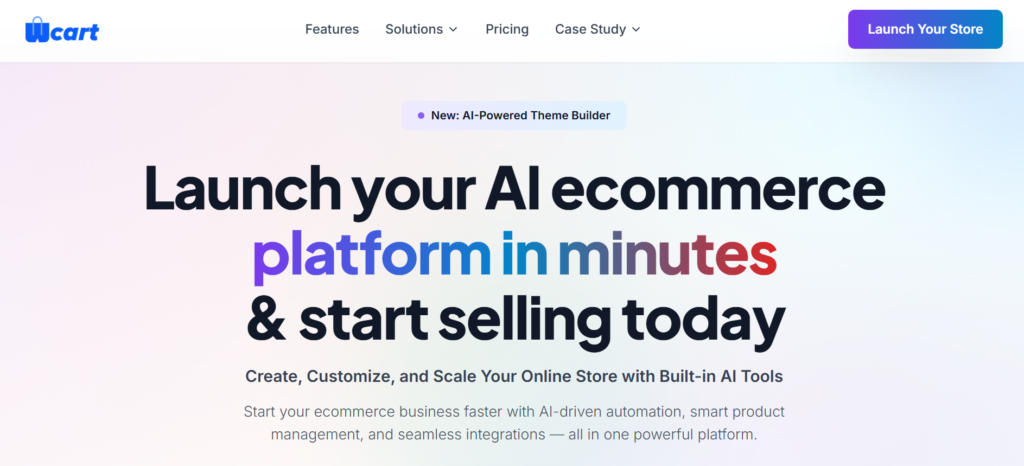
Wcart is a scalable ecommerce platform designed for businesses that need flexibility, customization and enterprise grade ecommerce capabilities without platform limitations.
Key Features
- AI powered ecommerce infrastructure
- Headless commerce support
- Multi vendor marketplace functionality
Pros
- Supports B2C, B2B, and multi-vendor ecommerce models.
- Offers advanced inventory and order management features.
- Supports multi-store and headless ecommerce setups.
- Provides API-based options for custom integrations.
Limitations
- Some advanced features may require technical knowledge to configure and manage.
- It can be more than a small creator needs if they only want a simple storefront.
- Businesses with very basic requirements may find its wider feature set unnecessary.
Best For
- Growing ecommerce brands
- Enterprise ecommerce businesses
- Multi store retailers
2. Webnexs
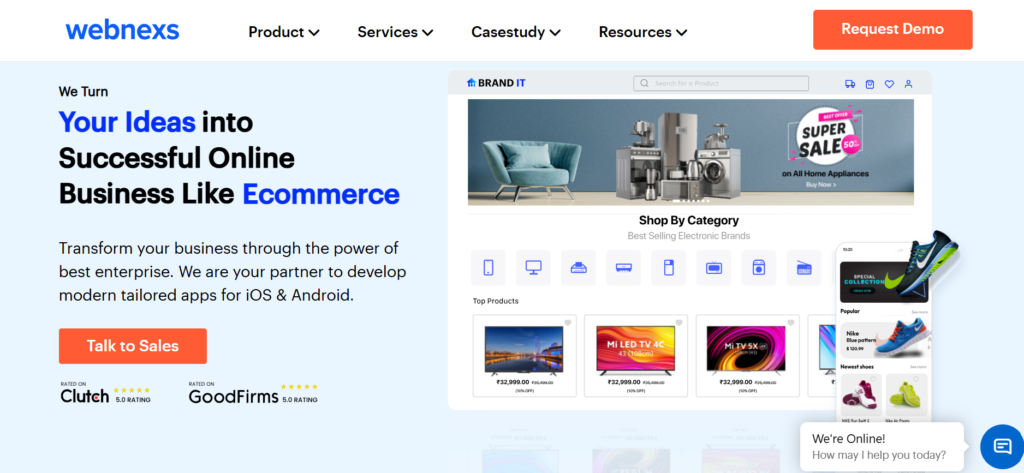
Webnexs is an overall e-commerce platform that helps companies in creating multi-vendor marketplaces, B2B portals, and highly customized online stores.
Unlike basic ecommerce solutions, Webnexs offers flexibility for businesses that require unique workflows and advanced commerce functionality.
Key Features
- Multi vendor marketplace platform
- Custom ecommerce development
- B2B ecommerce solutions
Pros
- Supports B2C, B2B, and multi-vendor ecommerce.
- Offers tools for marketplace businesses and custom ecommerce projects.
- Supports headless commerce and API integrations.
Limitations
- Smaller stores with simple requirements may not need all of its available features.
- Its broader feature set can require more setup than a basic ecommerce platform.
- Advanced customization may require development support.
Best For
- Marketplace businesses
- B2B ecommerce companies
- Custom ecommerce projects
3. Shopify

One of the most well liked ecommerce platforms is Shopify, which is often suggested by companies looking into Big Cartel competitors..
Launching and running an online store is made simple by its user friendly interface and large app ecosystem.
Key Features
- Hosted ecommerce platform
- Large app marketplace
- Omnichannel selling
Pros
- Easy to use interface
- Fast store setup
- Large app ecosystem
- Strong payment integrations
Limitations
- Dependence on third party apps
- Advanced customization can become expensive
- Monthly costs increase with growth
Best For
- Small ecommerce businesses
- D2C brands
- Startup online stores
Read More: To Know about Shopify Alternatives
4. BigCommerce
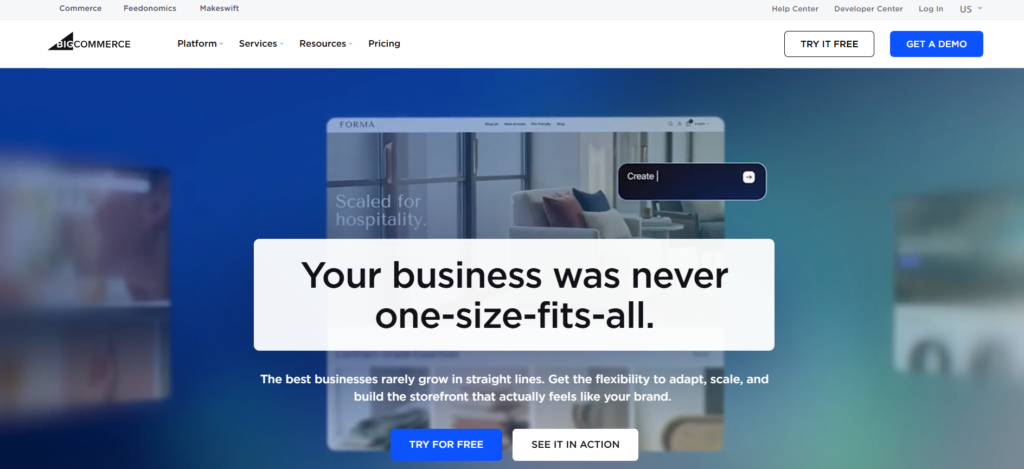
One of the top Big Cartel alternatives for companies that require enterprise level ecommerce capabilities while still maintaining a SaaS platform experience is BigCommerce.
It is renowned for its broad integrations, robust SEO capabilities and scalability.
Key Features
- Multi channel selling
- API first architecture
- Enterprise ecommerce features
Pros
- Strong SEO capabilities
- No transaction fees
- Enterprise ecommerce functionality
Limitations
- Learning curve for beginners
- Higher pricing at scale
- Some advanced customizations require development
Best For
- Mid market ecommerce businesses
- Enterprise retailers
- Omnichannel brands
Read More: To Know about Bigcommerce Alternatives
5. WooCommerce
A flexible open source ecommerce platform designed for WordPress websites is called WooCommerce.
When comparing WooCommerce and Big Cartel, businesses frequently select WooCommerce due to its increased flexibility in content management and customization.
Key Features
- Open source ecommerce platform
- WordPress integration
- Extensive plugin ecosystem
Pros
- Complete customization flexibility
- Strong SEO support
- Large developer community
Limitations
- Requires hosting management
- Security and maintenance responsibility
- Scaling requires optimization
Best For
- WordPress websites
- Content driven brands
- SEO focused ecommerce businesses
Read More: To Know about Woocommerce Alternatives
6. Adobe Commerce
One of the most popular ecommerce platforms for large companies and retailers is Adobe Commerce.
It provides enterprise scalability, high level B2B functionality and a great deal of customization.
Key Features
- Enterprise ecommerce architecture
- Advanced B2B capabilities
- Multi store management
Pros
- Highly customizable
- Enterprise scalability
- Strong B2B functionality
Limitations
- High implementation costs
- Requires technical expertise
- Complex maintenance
Best For
- Enterprise ecommerce businesses
- Large retailers
Read More: To Know about Magento Alternatives
7. Wix Ecommerce
Wix Ecommerce combines website building and ecommerce functionality in a beginner friendly platform.
It is often chosen by businesses looking for more design flexibility than Big Cartel.
Key Features
- Drag and drop website builder
- Ecommerce functionality
- Mobile optimization
Pros
- Easy to use
- Attractive templates
- Quick setup
Limitations
- Limited scalability
- Not ideal for complex operations
- Fewer advanced ecommerce capabilities
Best For
- Small businesses
- Creators
- New ecommerce stores
Read More: To Know about Wix Alternatives
8. Squarespace

Squarespace Commerce is renowned for its integrated e-commerce features and attractive templates.
Big Cartel and Squarespace are likely compared by companies that place a high value on branding.
Key Features
- Professional templates
- Ecommerce tools
- Integrated blogging
Pros
- Beautiful storefront designs
- Easy website management
- Strong content capabilities
Limitations
- Limited advanced ecommerce features
- Less flexibility for complex stores
- Fewer integrations than larger platforms
Best For
- Creative brands
- Designers
- Artists
Read More: To Know about Squarespace Alternatives
9. Shift4Shop
Shift4Shop offers a wide range of built in ecommerce features that help businesses reduce dependence on third party applications.
Key Features
- Product management
- SEO tools
- Inventory management
Pros
- Rich feature set
- Built in SEO tools
- Strong inventory management
Limitations
- Smaller ecosystem
- Less market adoption
- Learning curve for new users
Best For
- Small to medium businesses
- Ecommerce startups
- Growing online stores
Read More: To Know about Shift4Shop Alternatives
10. Ecwid
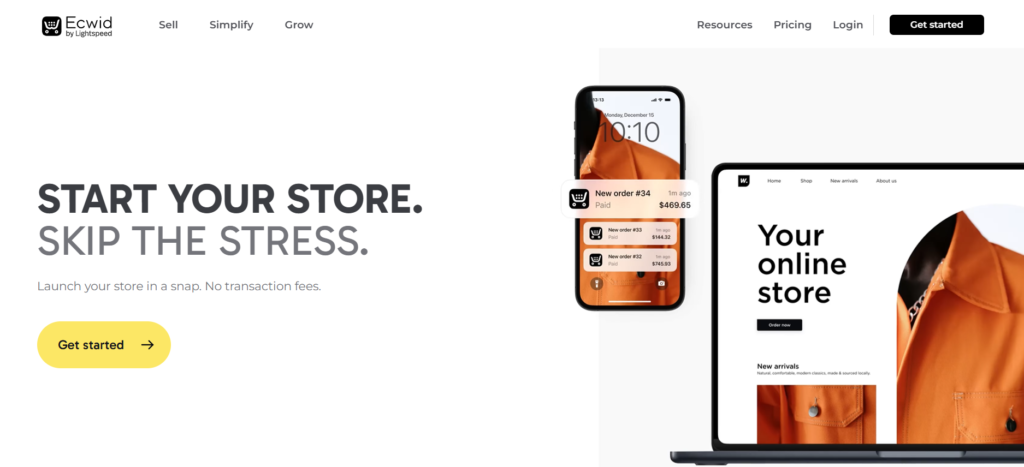
Ecwid is meant for companies that already have a website and wish to build in ecommerce features without having to start from scratch.
Key Features
- Ecommerce widgets
- Multi channel selling
- Social commerce
Pros
- Easy integration
- Quick setup
- Affordable plans
Limitations
- Limited enterprise functionality
- Less customization than larger platforms
- Not ideal for complex ecommerce operations
Best For
- Existing websites
- Small businesses
- Social commerce sellers
Read More: To Know about Ecwid Alternatives
How Do You Choose the Right Big Cartel Alternative?
Choosing a new ecommerce platform doesn’t have to be complicated. Start by asking yourself what you actually need from your store now and where you want it to go next.
- “My store is small and I only sell a few products. Do I really need to switch?”
- Not necessarily. If Big Cartel is doing the job and you’re happy with it, there’s no reason to move just for the sake of having more features.
- “My store is growing. What should I look for?”
- Look for better product management, inventory tools, customization options, and features that can handle a larger catalog without making everyday work difficult.
- “I want to start selling to other businesses too. What should I choose?”
- Look for B2B features such as wholesale pricing, business accounts, bulk orders, and different pricing for different types of customers.
- “What if I want to build a marketplace?”
- Then you’ll need more than a regular online store. Look for features that support multiple sellers, vendor management, commissions, and separate seller accounts.
- “I want my store to look and work exactly the way I want. What should I check?”
- Don’t just look at templates. Check how much control you have over the storefront, integrations, APIs, and the underlying ecommerce setup.
- “My business is growing quickly. Should I switch now or wait?”
- Think beyond what you need today. If you already know your store will need more products, customers, sales channels choosing the right platform early can save you from another migration later.
- “So, which Big Cartel alternative is right for me?”
- There isn’t one answer for every business. Start with the problem you’re trying to solve, then choose a platform that fixes that problem without creating new ones as your store grows.
How to Move From Big Cartel to Another Ecommerce Platform
- Step 1: Review your current store – Make a list of your products, customers, orders, pages, URLs, and integrations.
- Step 2: Choose your new platform – Pick a platform based on the features your store actually needs.
- Step 3: Prepare your data – Export your products, customer details, categories, and other important store data.
- Step 4: Build your new store – Recreate your product catalog, navigation, design, checkout, payments, and shipping settings.
- Step 5: Map your URLs – Match your old URLs with the new ones and set up 301 redirects to protect existing search traffic.
- Step 6: Test the store – Check products, checkout, payments, shipping, emails, mobile pages, forms, and analytics.
- Step 7: Launch the new store – Point your domain to the new platform once everything is ready.
- Step 8: Monitor after migration – Keep an eye on rankings, traffic, orders, broken links, and indexing to catch problems early.
Final Thoughts
Your company’s objectives, expansion strategies and operational needs will determine which Big Cartel alternatives are best for you.
Growing companies frequently require strong ecommerce infrastructure, advanced inventory management, customization, omnichannel selling and enterprise scalability, even though Big Cartel is effective for artists and small creator stores.
Wcart and Webnexs provide high quality ecommerce capabilities that support B2C, B2B, marketplace and enterprise commerce models for companies aiming for long term growth. Depending on your company’s needs Wcart, Shopify, BigCommerce, WooCommerce and Adobe Commerce are still excellent options.
Related Platform Comparisons
- 12 Best PrestaShop Alternatives – compare features, pricing & the best fit for your store.
- 9 Best Dukaan Alternatives – compare features, pricing & the best fit for your store.
1. What are the best Big Cartel alternatives?
Wcart, Shopify, BigCommerce, WooCommerce, Webnexs, and other platforms offer alternatives for different store sizes and business needs.
2. What websites are like Big Cartel?

























Leave a Reply