
Running an online store these days is a lot different from what it used to be a few years back. Customers are way less patient now. If a website feels slow, messy or hard to use, they are gone in seconds.
Compare multi-vendor marketplace features.
People shop while sitting on the couch, travelling on the train, standing in a queue or scrolling during lunch breaks. Most of that shopping happens on mobile too. So if your ecommerce site still feels clunky on a phone, you are probably losing sales without even realising it.
The truth is, products alone are not enough anymore. Plenty of stores sell similar things. What really makes people stay is how smooth the shopping experience feels. Fast loading pages, easy navigation, simple checkout, proper product photos and secure payments all make a huge difference.
A lot of online stores also struggle because they ignore the small things. Confusing menus, poor search filters, slow checkout pages or missing delivery updates can frustrate shoppers pretty quickly.
In this guide, we are going through the ecommerce website features that actually matter in 2026. Not random filler features the ones that genuinely help improve customer experience, keep people on the site longer and increase online sales.
What Are Ecommerce Website Features?
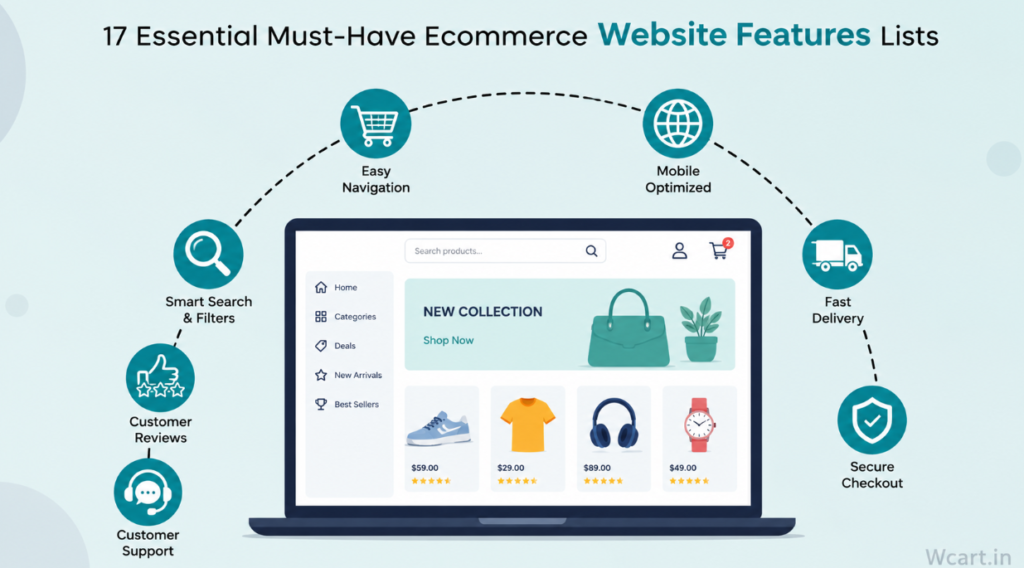
Ecommerce website features are basically the tools and functions that make an online store easier to use.
Things like:
- wishlist options
- product search
- mobile-friendly design
- secure checkout
- customer reviews
- delivery tracking
All of these features help shoppers browse products, find what they need and complete purchases without getting frustrated halfway through.
A good ecommerce website feels smooth from start to finish. Customers should not have to think too much while using it. If the experience feels easy, people are far more likely to buy something.
Essential Ecommerce Features Overview
| Feature | Why It Matters |
| Mobile Optimisation | Most shopping now happens on phones |
| Fast Website Speed | Slow websites make people leave |
| Secure Checkout | Helps shoppers trust the website |
| Product Filters | Makes finding products easier |
| Reviews and Ratings | Builds confidence before buying |
| Delivery Updates | Keeps customers informed |
| Personalised Suggestions | Helps people discover more products |
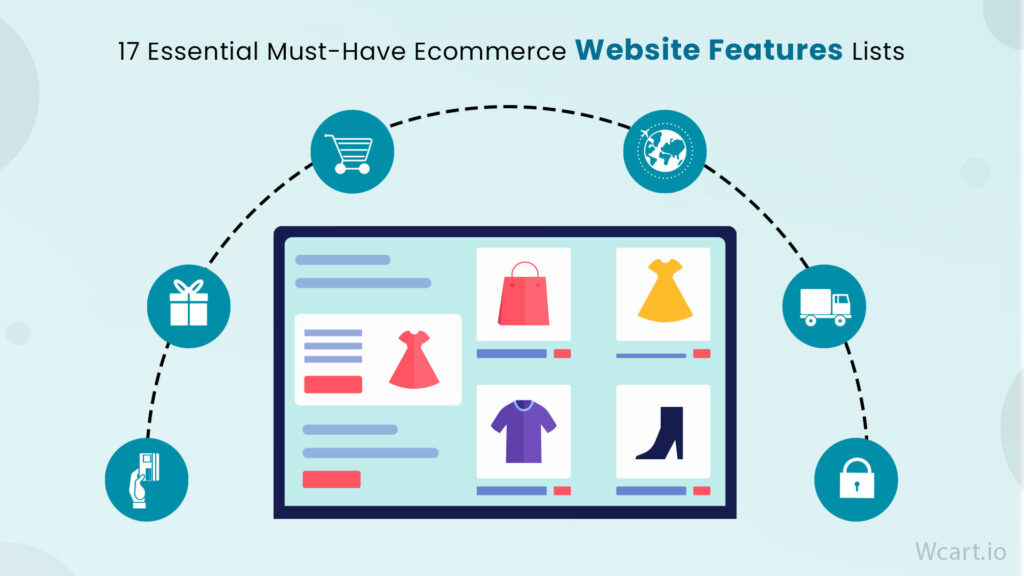
17 Essential Ecommerce Website Features to Have in 2025 Lists
1. User Friendly Interface and Navigation

Nobody enjoys using a confusing website. If people cannot find products quickly, they usually leave and try another store instead.
Your website should feel simple to browse. Categories need to make sense, menus should be easy to use and customers should not need ten clicks just to find one product.
A clean layout also makes the whole store feel more trustworthy. When a website feels organised, shoppers are more comfortable sticking around and exploring more products.
Important Features
- Easy navigation menus
- Clear product categories
- Simple homepage layout
- Visible search bar
Visit Here: 5 Ways to Increase Conversions with Your Ecommerce Shopping Cart
2. Ecommerce Website Mobile Optimization

Most people shop directly from their phones now. That means your website needs to work properly on smaller screens without feeling awkward or slow.
If customers need to zoom in, struggle to tap buttons or wait forever for pages to load, they will probably give up and leave.
A mobile-friendly ecommerce website should feel quick, clean and easy to use. Checkout should also be simple enough to complete with one hand while scrolling on a phone.
These days, stores are also adding digital wallets and faster mobile payments because people want checkout done quickly.
Important Features
- Thumb-friendly buttons
- Responsive mobile design
- Fast mobile loading speed
- Easy mobile checkout
3. High Quality Product Images and Descriptions

People cannot physically hold products online, so your product pages need to do the convincing for you.
Blurry photos or weak descriptions make shoppers unsure about buying. Good images, zoom features and proper descriptions help customers understand exactly what they are getting.
A lot of people also check product details carefully before buying, especially for fashion, electronics or home products. The better your product pages look, the more trustworthy your store feels.
Important Features
- High-quality images
- Multiple product angles
- Zoom functionality
- Clear product descriptions
4. Product Search, Filtering and Sorting
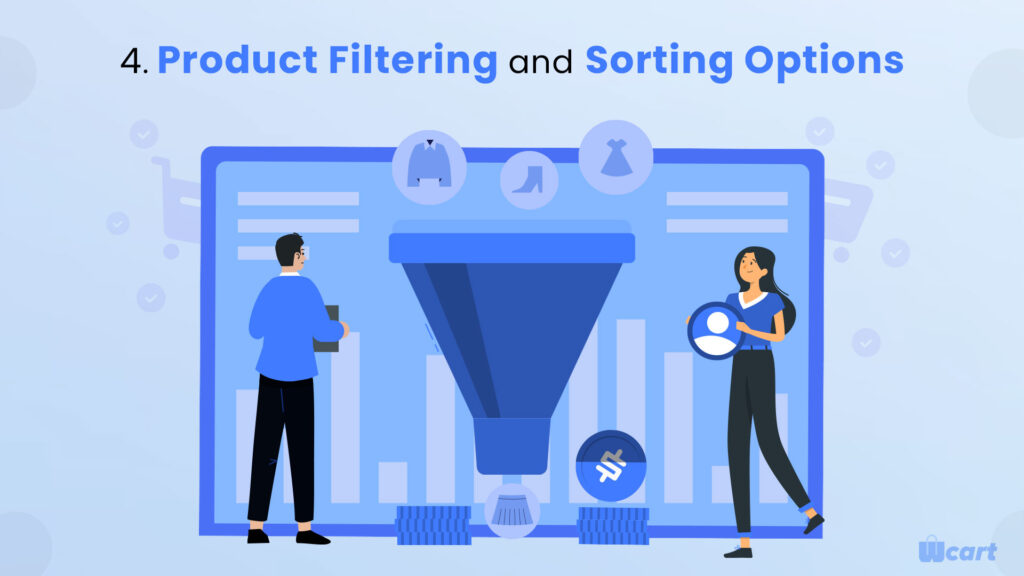
No one wants to scroll endlessly trying to find one product. That is why search bars and filters matter so much on ecommerce websites.
Customers should be able to narrow products down quickly based on things like size, colour, brand or price.
Good filtering makes shopping feel smoother and saves people a lot of time. Smart search suggestions can also help customers discover products faster without typing full product names.
Important Features
- Smart search suggestions
- Product filters
- Sorting options
- Category browsing
5. Smooth and Secure Checkout Process
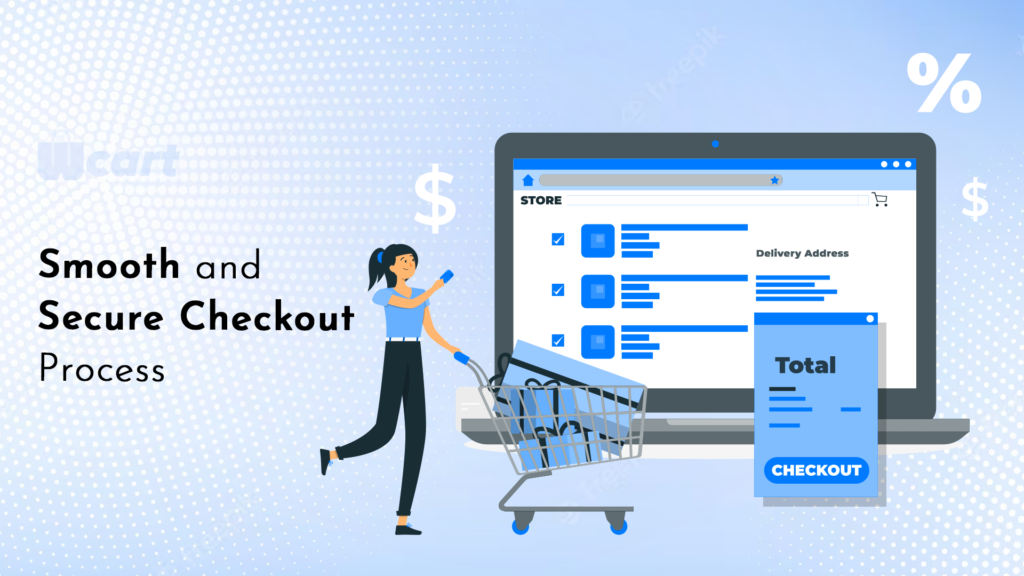
Checkout is where heaps of online stores lose sales. If checkout feels too long, confusing or dodgy, people abandon their carts pretty quickly. Most shoppers want checkout to be fast and straightforward.
Guest checkout is important too because not everyone wants to create an account just to buy one product.
Modern ecommerce stores are also offering more payment options now, including digital wallets and buy now pay later services, because customers expect convenience.
Important Features
- Guest checkout
- Multiple payment methods
- Secure payment gateways
- Clear order summary
Visit Here: 12 Tips To Increase Ecommerce Conversion Rates
6. Personalized Recommendations
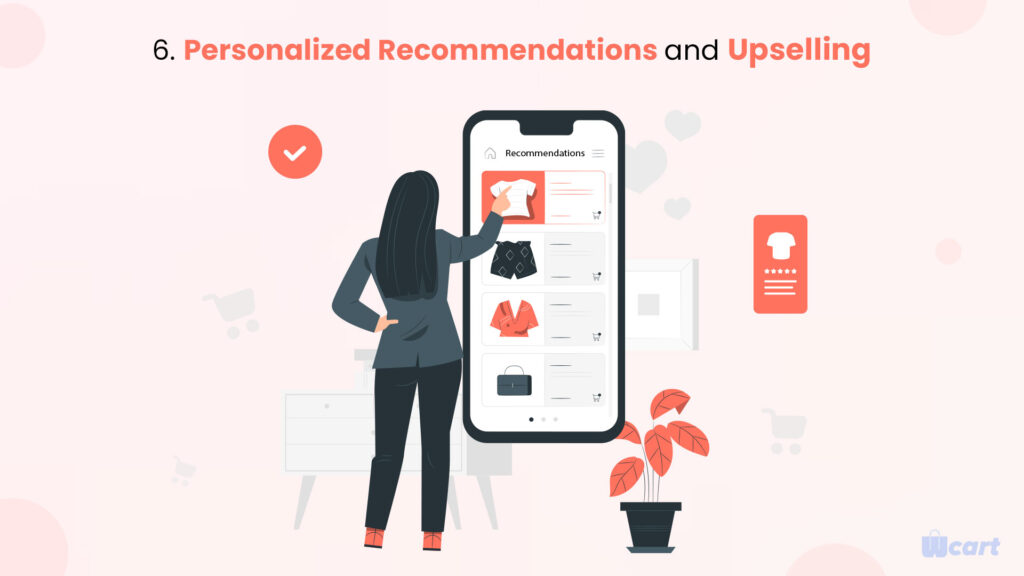
People are more likely to buy when they see products that actually match what they are interested in.
That is why personalised recommendations work so well. Showing related products, recently viewed items or suggested collections helps shoppers discover more products naturally.
It also makes the website feel smarter and more relevant instead of random. A lot of bigger ecommerce stores use this strategy really well to increase average order value.
Important Features
- Related product suggestions
- Recently viewed products
- Recommended collections
- Upselling opportunities
7. Customer Reviews and Ratings

Most shoppers check reviews before buying anything online. It is pretty much become part of the buying process now.
People trust other customers more than marketing copy. Honest reviews, star ratings and customer photos help products feel more genuine and trustworthy.
Even a few solid reviews can make a massive difference to conversions.
Important Features
- Verified customer reviews
- Star ratings
- Product feedback section
- Customer-uploaded photos
8. Social Media Integration

A lot of online shopping now starts on social media. People discover products while scrolling Instagram, TikTok or Facebook, then jump over to the website to check things out properly.
Adding social media features to your store makes it easier for customers to share products or log in quickly. It also helps improve brand visibility.
User-generated content can help too because shoppers like seeing real people using products.
Important Features
- Product share buttons
- Social login options
- Social product integration
- User-generated content
9. Wishlist and Saved Cart
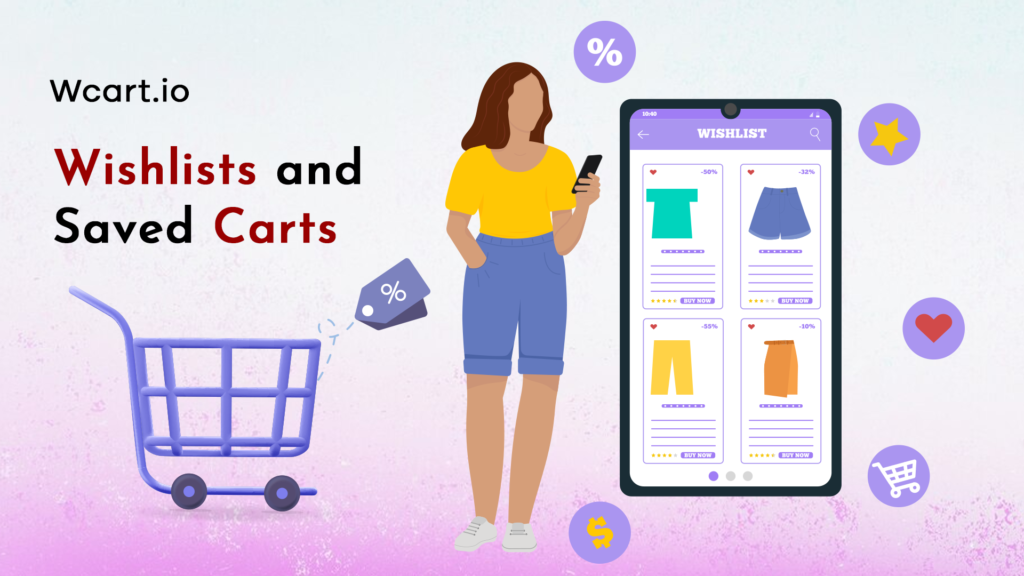
Not everyone buys something straight away. Sometimes people compare products, wait for payday or simply come back later. Wishlist and saved cart features help customers return without starting everything again.
It is a simple feature, but it improves convenience a lot and helps recover potential sales.
Important Features
- Wishlist functionality
- Saved shopping carts
- Product reminders
- Easy cart recovery
10. Order Management System
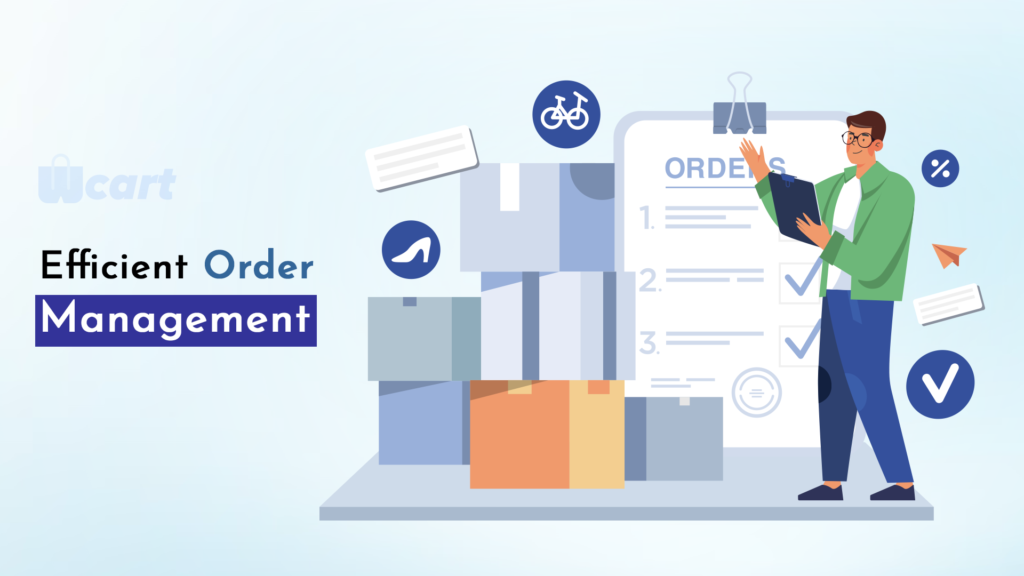
Once someone places an order, they expect updates. Nobody likes wondering where their parcel is or whether the order has even been shipped yet.
A good order management system helps businesses manage inventory, process orders properly and send delivery updates automatically.
Clear communication after purchase makes the whole shopping experience feel much more reliable.
Important Features
- Inventory tracking
- Shipping notifications
- Order updates
- Delivery tracking
11. Strong Security Features
People are careful about where they enter their payment details online. If a website looks untrustworthy or insecure, customers usually leave without buying anything.
Security features help protect customer information and make shoppers feel safer during checkout.
Things like SSL certificates and secure payment gateways are basic essentials now for any ecommerce website.
Important Features
- SSL certificates
- Secure payments
- Fraud protection
- Account security measures
12. Customer Support Options

Good customer support can save a lot of lost sales. Sometimes shoppers just want a quick answer before buying something. If support is easy to access, people are more likely to complete the purchase instead of leaving confused.
Live chat, FAQ pages and email support all help improve customer experience. Fast responses also help build trust with customers.
Important Features
- Live chat support
- Email support
- FAQ sections
- Contact forms
13. CRM and Marketing Integration

Marketing tools help ecommerce businesses stay connected with customers after they leave the website.
Things like abandoned cart emails, personalised offers and product recommendations can help bring shoppers back and encourage repeat purchases.
Customer tracking also helps businesses understand what people are actually interested in.
The more relevant your marketing feels, the better the engagement usually becomes.
Important Features
- Email marketing integration
- Customer tracking
- Automated campaigns
- Audience segmentation
14. Fast Website Performance

Nobody waits around for a slow website anymore. If pages take too long to load, most people bounce before they even look at the products properly.
Fast websites feel smoother, easier to use and more professional overall. Better speed also improves mobile shopping massively.
Website performance matters for SEO too because search engines prefer websites that provide better user experiences.
Important Features
- Optimised images
- Browser caching
- Fast hosting
- Content delivery network
15. SEO Friendly Ecommerce Structure

If people cannot find your website on Google, getting sales becomes much harder.
An SEO-friendly ecommerce structure helps search engines understand your website and show it in relevant search results. Things like clean URLs, proper headings and internal linking all help improve visibility.
Good SEO also helps bring in traffic consistently without relying only on paid ads.
Important Features
- Clean URL structure
- Optimised meta tags
- Internal linking
- Proper heading hierarchy
Visit Here: Design an Online Store with User Friendly and SEO Friendly
16. Analytics and Reporting
You cannot improve a website properly if you have no idea what customers are doing on it.
Analytics tools help track things like:
- conversions
- bounce rates
- abandoned carts
- popular products
- customer behaviour
This data helps businesses understand what is working and what needs fixing. Small changes based on analytics can improve conversions quite a bit over time.
Important Features
- Conversion tracking
- Customer behaviour reports
- Traffic analysis
17. Multilingual and Global Support

A lot of ecommerce businesses now sell products internationally, not just locally.
Features like multiple languages, currency conversion and international payment options make shopping easier for customers from different countries.
Better global support can help businesses reach more customers and improve international sales over time.
Important Features
- Multiple language options
- Currency conversion
- International shipping support
- Regional payment methods
Key Ecommerce Customer Trends (2024–2026)
| Ecommerce Feature | 2024 Customer Behaviour | 2025 Customer Behaviour | 2026 Customer Behaviour Trend |
| Mobile Shopping Experience | Customers mainly expected mobile-friendly browsing | Faster mobile checkout and app-like experiences became important | Most shoppers now expect smooth mobile shopping with one-tap payments |
| Website Speed | Slow websites increased bounce rates | Customers became less patient with loading delays | People leave websites within seconds if pages feel slow |
| Checkout Process | Long checkout caused cart abandonment | Guest checkout and digital wallets became more common | Shoppers now expect quick, hassle-free checkout with fewer steps |
| Payment Options | Card payments and PayPal were standard | Buy now pay later services became more popular | Customers expect multiple payment choices including digital wallets |
| Product Search & Filters | Basic filtering was enough for most users | Customers wanted smarter search suggestions | Shoppers now expect fast product discovery with accurate filters |
| Customer Reviews | Reviews influenced purchase decisions | Verified reviews became more important | Real customer photos and honest reviews strongly affect conversions |
| Delivery Tracking | Basic shipping updates were accepted | Live order tracking became more common | Customers now expect real-time delivery notifications |
| Personalised Shopping | Suggested products improved engagement slightly | Personalised recommendations increased repeat visits | Customers expect websites to show relevant products automatically |
| Security Features | SSL and secure checkout built trust | Customers became more cautious about online fraud | Strong security signals now directly impact buying confidence |
| Customer Support | Email support remained common | Live chat became widely expected | Faster support responses now affect customer retention |
| SEO-Friendly Structure | Search visibility focused on keywords | Content quality became more important | User experience and helpful content now affect rankings heavily |
| Analytics & Tracking | Businesses mainly tracked traffic and sales | Behaviour tracking became more detailed | Data-driven ecommerce decisions now play a huge role in growth |
Conclusion
At the end of the day, a successful ecommerce website is all about making shopping easy for customers.
People expect websites to load quickly, work properly on mobile, offer secure payments and make checkout simple. If any part of the shopping experience feels frustrating, there is a good chance customers will leave before buying anything.
Features like better search, personalised recommendations, customer reviews and faster website performance can all help improve conversions and create a smoother shopping experience overall.
As ecommerce keeps getting more competitive, businesses that focus on customer experience will have a much better chance of growing online sales and keeping customers coming back.
Frequently Asked Questions(FAQs)
1. What features should a good ecommerce website have in 2026?
A good ecommerce website should have fast loading speed, mobile-friendly design, easy navigation, secure checkout, smart product search and proper customer support. These features help improve customer experience and increase online sales.
2. Why is mobile optimisation important for ecommerce websites?
Most people shop directly from their phones now. If an ecommerce website feels slow or difficult to use on mobile, customers usually leave pretty quickly without buying anything.
3. Why is website speed important for online stores?
Nobody likes waiting for slow pages to load. Faster ecommerce websites usually keep customers engaged longer and help reduce bounce rates.
4. How can ecommerce website features improve conversions?
Features like faster checkout, better product filters, customer reviews and personalised recommendations make shopping easier. When customers have a smoother experience, they are more likely to complete purchases.
5. What payment options should ecommerce websites offer?
Modern ecommerce websites should support multiple payment methods like credit cards, digital wallets and buy now pay later services because customers expect more convenience during checkout.

























Leave a Reply