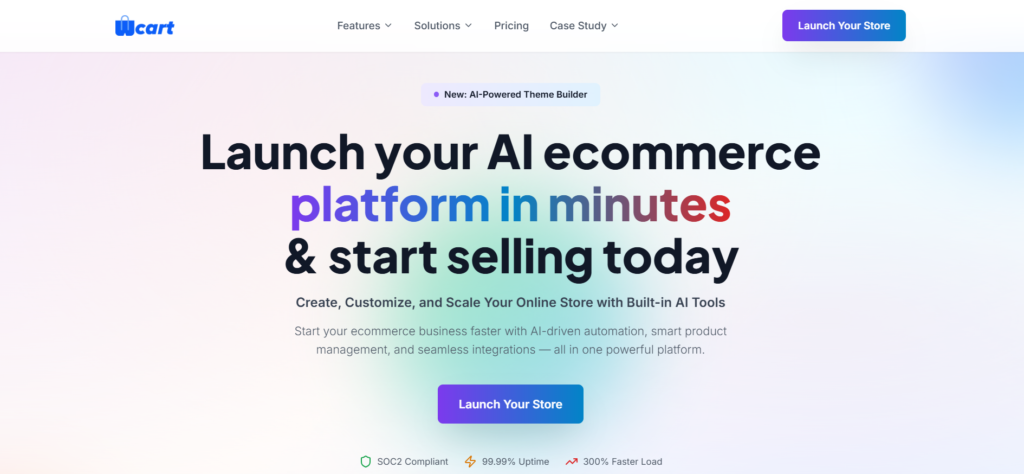
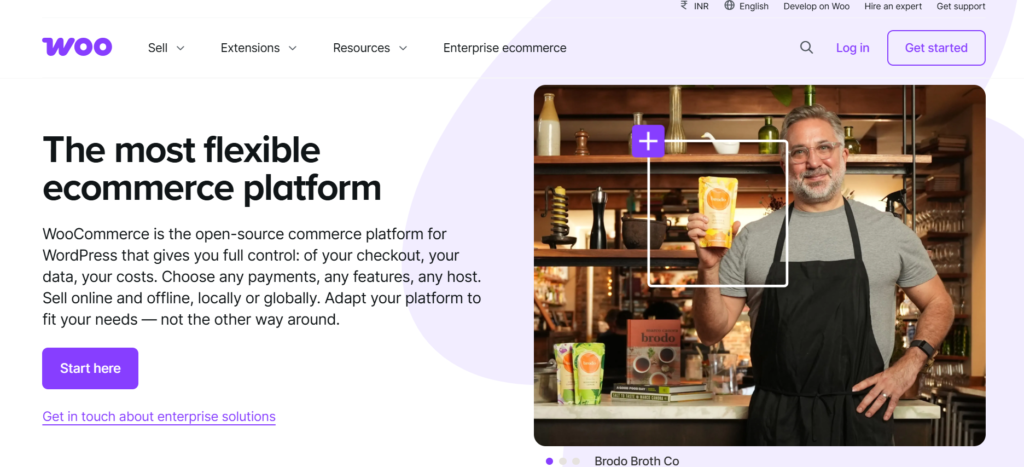
Shopify, WooCommerce, BigCommerce, and Wcart are the top Dukaan alternatives once a store outgrows Dukaan’s catalog cap. Dukaan has grown to over 2.7 million merchants since 2020 (Inc42). Shopify starts at $39/month, WooCommerce is free plus hosting, and Wcart removes the catalog limit entirely.
Key Takeaways
Dukaan has onboarded 2.7 million merchants across India since its 2020 launch.(Source: Inc42)
Dukaan facilitates a new store roughly every 2 minutes, with over 1.5 million transactions to date. ( Source: TechCrunch)
Nearly a third of ecommerce brands switch platforms within three years of launching, usually once order volume outgrows their first platform. (Source: Intelegencia)
You are undoubtedly not alone if you used Dukaan to launch your online store. For new sellers, it’s one of the easiest ways to get products online fast, without technical setup.
But growth changes what you need. Once your store gets busier, you may run into fewer customization options, slower performance as traffic increases, and more manual work as operations get complex.
In this guide, we’ll walk you through the best options available today and help you choose the right platform for your next stage of growth.
Ready to Run Your Store Through WhatsApp?
Create your Wcart store and manage products, prices, stock, and orders simply by chatting on WhatsApp – no dashboard needed.
Real Example – How MP Collections Scaled Their Business
MP Collections, a custom fashion brand, started with manual order handling and a small customer base.
The challenges:
Orders were tracked and processed by hand
Measurement details were often inconsistent between orders
Growth was capped by how much the team could manage manually
What changed: After moving to a platform built for scale, the team automated order processing and standardized how measurements were captured and stored.
The results: Manual order handling time dropped by roughly half, order errors from mismatched measurements fell sharply, and the brand was able to take on orders from new regions without adding headcount.
However, you should start considering alternatives when:
Your store performance starts dropping
You need more flexibility in features or design
Managing operations becomes time consuming
Stay on Dukaan if: your order volume is still low, your catalog is simple, and you have no near-term plans to add sales channels or heavy customization.
How to Choose the Right Dukaan Alternative
Consider your long term objectives before selecting a platform.
Consider this:
How fast is my business growing?
Do I need advanced customization?
Do I have technical resources?
What kind of experience do I want to offer customers?
The right platform should not just solve today’s problems it should support your future growth.
Final Thoughts
For many businesses Dukaan is an excellent place to start.
However your platform requirements might alter as your ecommercejourney develops.
There are many great alternatives from tools appropriate for novices to enterprise level solutions.
It’s critical to choose a platform that supports your operations, expansion and long term objectives.
Ready to scale your ecommerce business without limitations? Book a demo and discover how the right platform can improve performance simplify operations and support your long term growth.
Yes. It’s one of the simplest platforms for launching an online store, with drag-and-drop setup and no coding required. Most sellers can get a basic store live within a day.
Dukaan’s entry Silver plan runs about ₹333/month (₹3,999 billed yearly). The Gold plan costs ₹700/month (₹8,999 yearly), and Platinum runs ₹2,500/month (₹29,999 yearly), with each tier adding more product capacity and features.
Shopify generally handles growth better, with a larger app ecosystem, more payment gateway options, and stronger built-in scalability. Dukaan remains the simpler and cheaper option for a small, early-stage store.
Not if you set up redirects correctly. Point every old Dukaan URL to its matching page on the new platform, and keep page titles and content close to the original. Rankings can dip briefly but typically recover within a few weeks.
Dukaan is built around Indian sellers, with UPI payment support and a mobile-first setup suited to small kirana stores and first-time entrepreneurs. It works well for that exact use case. Once you need GST-ready invoicing at scale, multiple payment gateways, or wider logistics integrations, Indian sellers commonly move to Shopify, WooCommerce, or Wcart, all of which support Indian payment gateways and carriers too.
Wcart are the cheapest to start, open-source software and you only pay for hosting, typically ₹800 to ₹2,500 per month for a small Indian store. Wix and Squarespace are the cheapest hosted options, starting around ₹1,400 to ₹1,500 per month.
Shopify, WooCommerce, BigCommerce, and Wcart all support Razorpay, UPI, and other India-focused payment gateways through built-in or plugin-based integrations. Dukaan supports UPI natively but has fewer gateway options beyond that.
Aswin M is an eCommerce content specialist at Wcart who focuses on platform comparisons and practical store-building guides. He has written in-depth breakdowns of the best alternatives to WooCommerce, Shopify, Salesforce Commerce Cloud, Wix and more, alongside hands-on tutorials on shipping, taxes, headless commerce, and launching branded mobile stores. His work helps growing merchants choose the right platform and set up their store the right way.































Leave a Reply