
Quick Answer
The best e-commerce solution depends on your stage and technical comfort. Wcart and Shopify suit stores that want a fast, low-maintenance launch. BigCommerce and Magento fit larger catalogs with more complex operations. WooCommerce and Webnexs work best when you want full control and don’t mind managing more of the setup yourself.
Global retail e-commerce sales surpassed $6 trillion in 2024 and are expected to reach $7 trillion by 2027, according to Statista. Enterprise eCommerce systems are now crucial for companies trying to scale operations, handle complexity, and maintain long-term growth as global eCommerce revenue rises.
Are you contemplating beginning an ecommerce commercial enterprise? If so, congratulations on taking the first step toward becoming an online entrepreneur! But with so many trade structures to be had, choosing the best ecommerce system may be overwhelming.
- Do you want a platform that is simple to apply along with your customers?
- Or do you want advanced features and styles?
Whatever your priorities, we’re right here to help you make an exceptional choice for your business.
That’s not a typical result for every store, but it shows what’s possible once a platform stops being the limiting factor.
Cask88, a UK whisky investment brand, processes over $10 million in monthly business using Wcart with custom investor tools.
Understanding Your Business Needs
First knowing your business needs and goals is a key step to starting your business
Identifying the specific needs and goals of your business
To choose the best ecommerce solution for your business, it is crucial to thoroughly identify and understand the unique requirements and objectives of your enterprise. Before evaluating various platforms, gaining a clear comprehension of what you aspire to accomplish with your ecommerce venture becomes imperative.
Considerations encompass a wide array of factors. For instance, are you inclined towards selling tangible goods or digital downloads? Will you offer subscription-based services or focus on one-time purchases? Do you require seamless integration with your existing website and marketing tools?
Therefore by effectively addressing these inquiries and similar ones, you can initiate the process of pinpointing the specific attributes and functionalities that your e-commerce platform must possess to align with your business’s distinctive needs and aspirations. This approach will facilitate the streamlining of options and enable you to select the most suitable platform for your enterprise.
Read more: To start your Ecommerce business
What Are the Key Factors to Consider When Choosing the Best E-commerce solution?
When it comes to selecting the best ecommerce platform for your business, numerous factors demand thoughtful consideration, tailored to your unique requirements. Take a moment to explore some of the paramount considerations:
- Ease of use. Look for a platform with an intuitive interface that makes tasks like product setup, inventory management, and order processing simple for both you and your team.
- Customization. Depending on your business, you may need to change quite a bit about how your store looks and works. Look for a platform offering enough design options to match your branding and specific requirements.
- Payment gateway support. Make sure the platform supports the payment gateways you actually plan to use, whether that’s PayPal, Stripe, or something else. This keeps checkout smooth for customers and payment processing simple for you.
- Security. Prioritize platforms with strong security features: SSL certificates, two-factor authentication, and fraud prevention tools. These protect both your business and your customers’ data.
- Handles growth. Check how well the platform holds up under more traffic and higher order volume as your business grows, without a drop in performance or a forced replatform.
By thoughtfully evaluating these factors, tailored specifically to your business needs, you can confidently select the most suitable ecommerce platform for your online store.
Explore More: Get an Idea for Creating User Friendly Website
What Are the Top 5 Features to Look for in the Best E-commerce solution?
There are some key features to be considered before starting up your business.
1. User-friendly interface and customization options
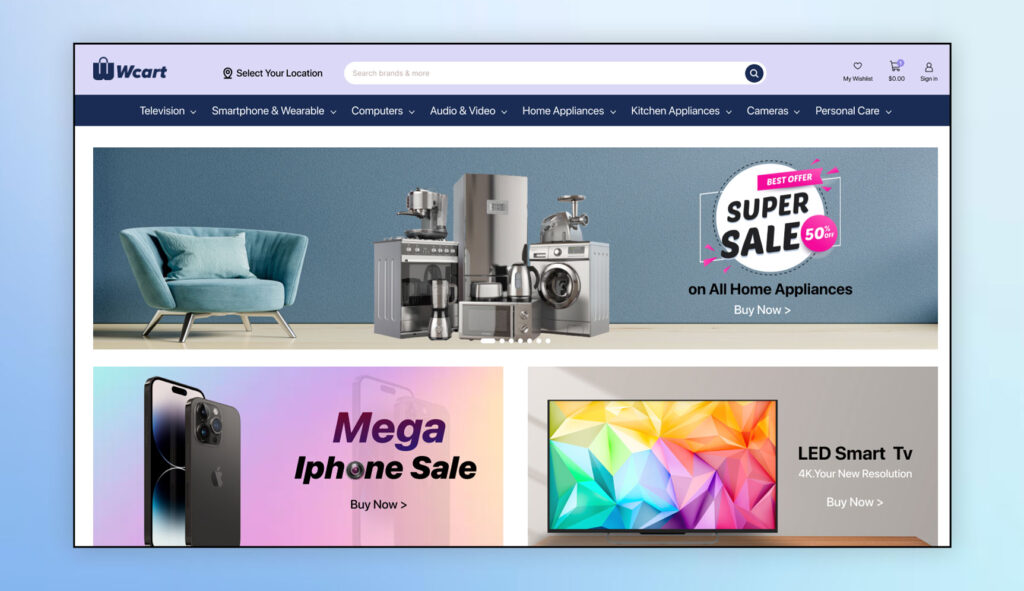
A user-friendly interface matters more than most people expect when choosing a platform. It makes navigation easier, cuts down on frustration, and improves the overall experience of running your store, from adding products to managing orders and payments.
Customization lets you control how your store looks and works, so it can match your brand instead of looking like every other store on the platform. The ability to change layouts, colors, fonts, and add custom features helps your store stand out rather than blend in.
2. Payment gateway integrations
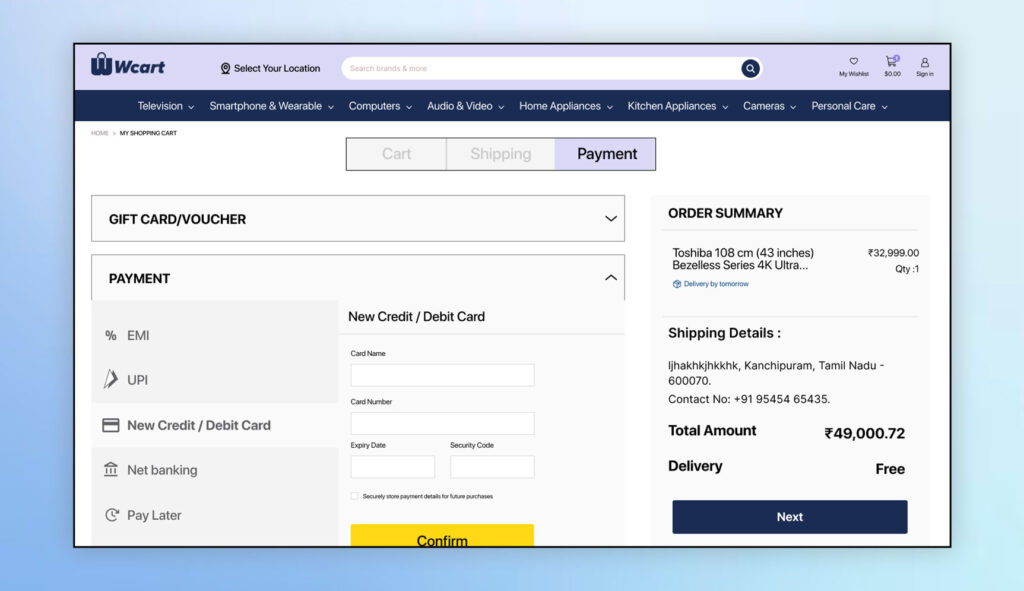
Payment gateway support directly affects how many customers actually complete a purchase. If a customer can’t pay the way they want to, they’re likely to abandon the cart and look elsewhere.
Make sure your platform supports widely used gateways like PayPal, Stripe, and Square, and check for any extra transaction fees tied to a specific gateway before committing.
Supporting multiple payment options gives customers more ways to pay, which reduces cart abandonment and improves conversion.
3. Shipping and order management tools

Shipping and order tools directly affect how efficiently orders get fulfilled. Good tools automate repetitive tasks, save time, and reduce manual errors.
Shipping and order management tools offer various features, such as label generation, inventory monitoring, and automated shipping rules based on factors like weight and destination. These tools help optimize shipping costs and ensure timely deliveries.
4. Marketing and SEO capabilities

Marketing and SEO tools affect how easily customers find your store in the first place. Built-in email marketing, social media integration, and SEO features help you build visibility and drive traffic without relying entirely on paid ads.
A platform with solid marketing and SEO support makes it easier to promote your store and compete in a crowded market.
5. Customer support and technical assistance
Reliable customer and technical support matters more once something breaks. Look for live chat, phone, and email support, along with documentation, forums, and a user community you can turn to when troubleshooting an issue yourself.
A platform with strong support reduces downtime, protects the customer experience, and helps you avoid the kind of negative reviews that come from unresolved issues.
Read More: To Know About How To Choose the Best Online Store Builder
List the Best E-commerce Platforms types?
There are several times of best e-commerce platform based on the service they are providing.
A. Hosted ecommerce platforms
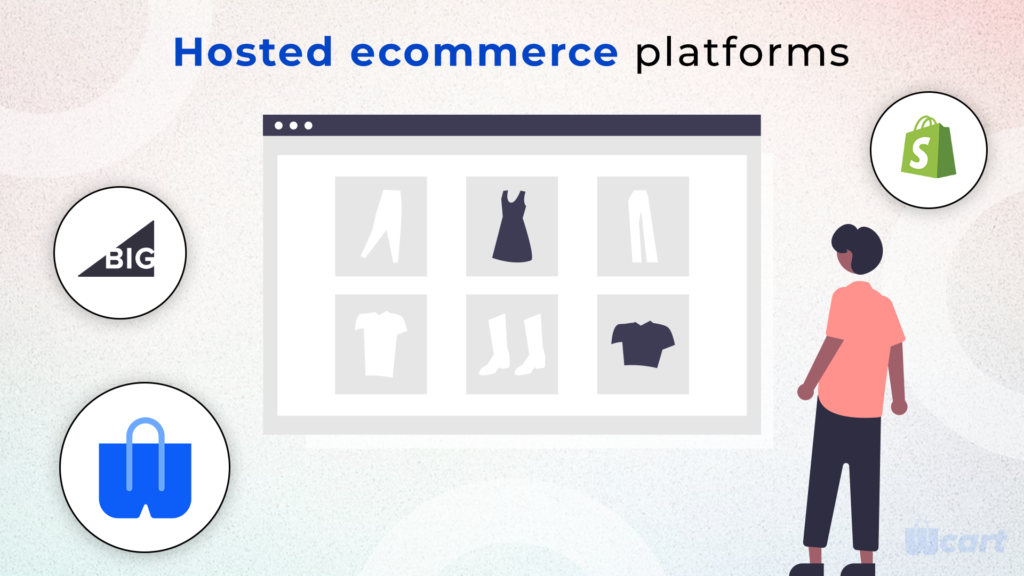
Hosted platforms, also called SaaS solutions, are fully managed by the provider. They handle hosting, maintenance, and security, so you’re not responsible for server management or manual updates.
These platforms typically include pre-designed templates, payment gateway integration, shipping tools, SEO features, and customer support.
Popular hosted platforms include Wcart, Shopify, BigCommerce, and Volusion. They run on a subscription model that covers hosting, maintenance, and support.
Hosted platforms mean a quick setup, but customization and growth flexibility can be more limited since pricing and features are largely predefined. Weigh your business needs against those limits before choosing one.
B. Self-hosted ecommerce platforms
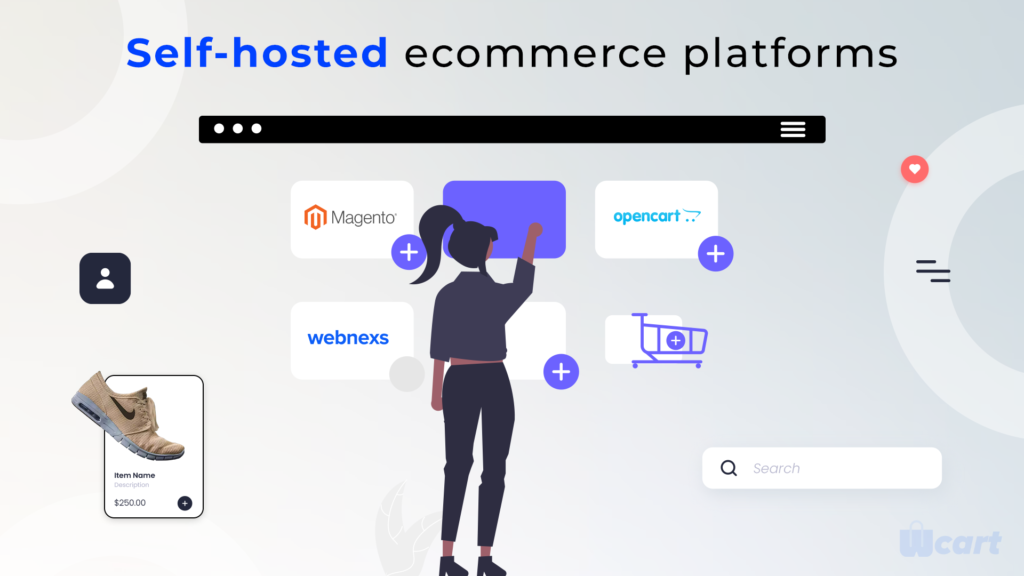
Self-hosted platforms give you full control over your store. You install the software on your own server and manage every part of the setup, which lets you go deeper on customization than most hosted platforms allow.
These platforms typically include templates, payment gateways, shipping tools, and SEO features, but you’re responsible for security, updates, and server maintenance.
Popular self-hosted options include Webnexs, Magento, and OpenCart. They’re often open-source, allowing code modifications.
Self-hosted platforms offer unmatched customization but demand technical knowledge and resources. Conversely, they provide scalability and flexible pricing and features.
C. Open-source e-commerce platforms
Open-source platforms are free to use and benefit from active developer communities that continually improve them, which makes them a cost-effective option for businesses with the technical skill to run one.
Running an open-source platform well takes some technical knowledge, particularly around programming and database management, for setup and ongoing maintenance.
Notable open-source platforms include WooCommerce, Magento, and OpenCart. They typically offer customizable templates, payment gateway integrations, shipping tools, order management, and SEO features, all of which can be extended further through custom development.
What Are the Top 5 E-commerce solutions in the Market Today?
Let’s see about some of the top ecommerce solutions in the market.
1. Wcart
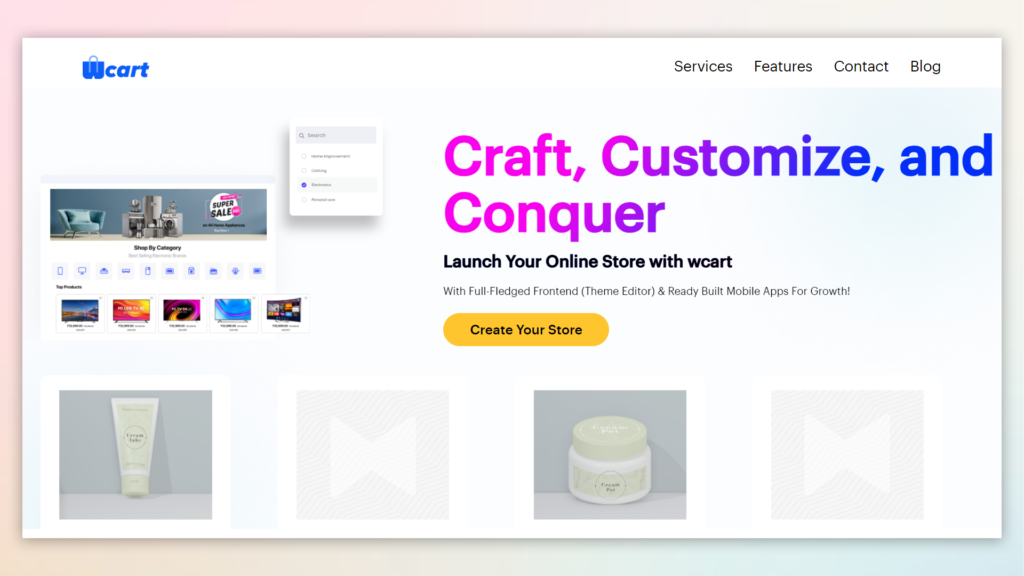
Wcart is an innovative online store builder designed for beginners and small business owners. It offers an affordable and user-friendly way to create a professional virtual marketplace. With a supportive team, Wcart aims to empower small-scale ventures with exclusive ecommerce concepts.
Customization is a breeze with Wcart, thanks to its vast selection of templates and themes. The drag-and-drop feature simplifies component integration and manipulation in your digital space.
Wcart provides various shipping and payment solutions seamlessly integrating with popular carriers and gateways, making it ideal for international businesses.
Furthermore, Wcart excels in customer support, offering prompt assistance via email and phone. Users can also access a comprehensive knowledge base and informative video tutorials to navigate setup and troubleshoot any issues.
2. Webnexs
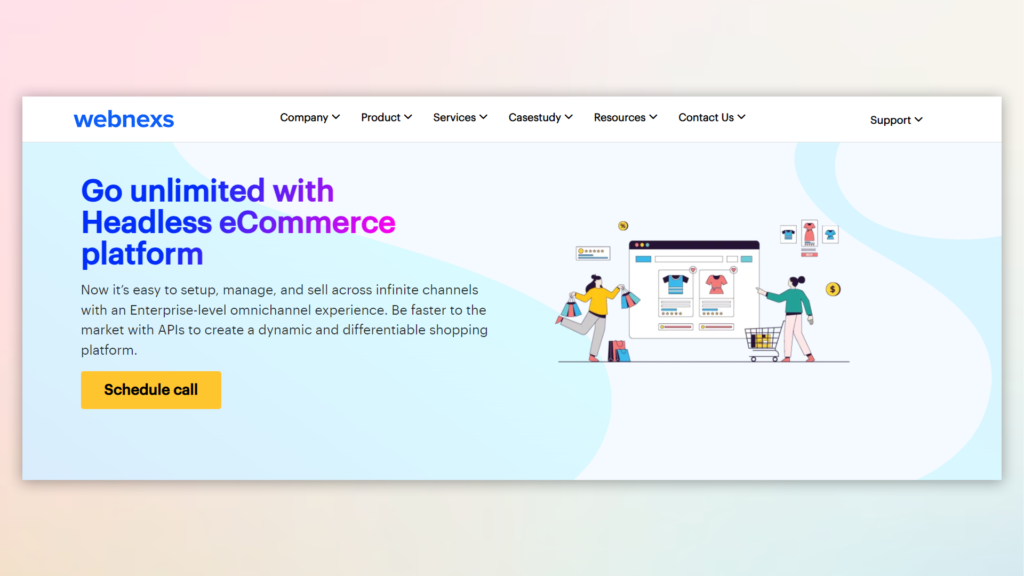
Webnexs is an online store builder that provides comprehensive solutions for businesses of all sizes to set up and manage their online stores. It offers a range of features and tools that make it easy to build and optimize your online store, as well as marketing and SEO tools to help you attract and retain customers Webnexs offers payment and shipping options, including integration with popular payment gateways and shipping services.
It supports multiple languages and currencies, making it ideal for businesses that operate cross-border. Webnexs includes several marketing and SEO tools to help promote your online store and drive traffic to your website. These tools include email marketing, social media integration, and search engine optimization features.
3. WooCommerce
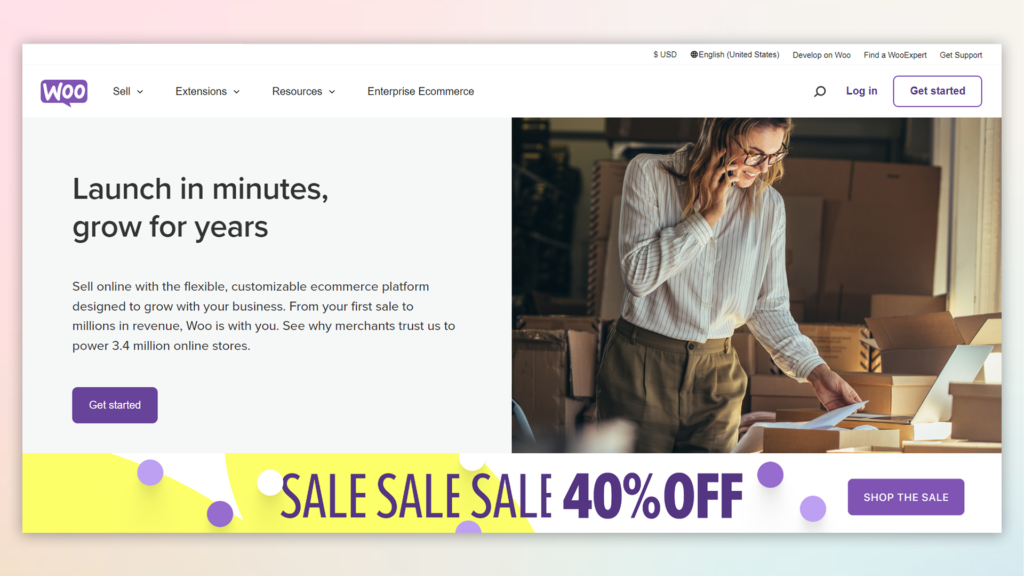
WooCommerce is a widely used open-source ecommerce plugin that integrates directly with WordPress. It lets businesses of any size set up and manage an online store on infrastructure they already understand.
WooCommerce offers a large range of customization options through themes and templates, letting you build a store that matches your brand. Its plugin and extension library covers payment gateways, shipping options, and marketing tools, giving you a fairly complete toolkit to work with.
The tradeoff is that most of that flexibility comes through third-party plugins rather than built-in features, so setup and maintenance take more hands-on work than a fully hosted platform.
Read More: To Know About Woocommerce Alternatives
4. Magento
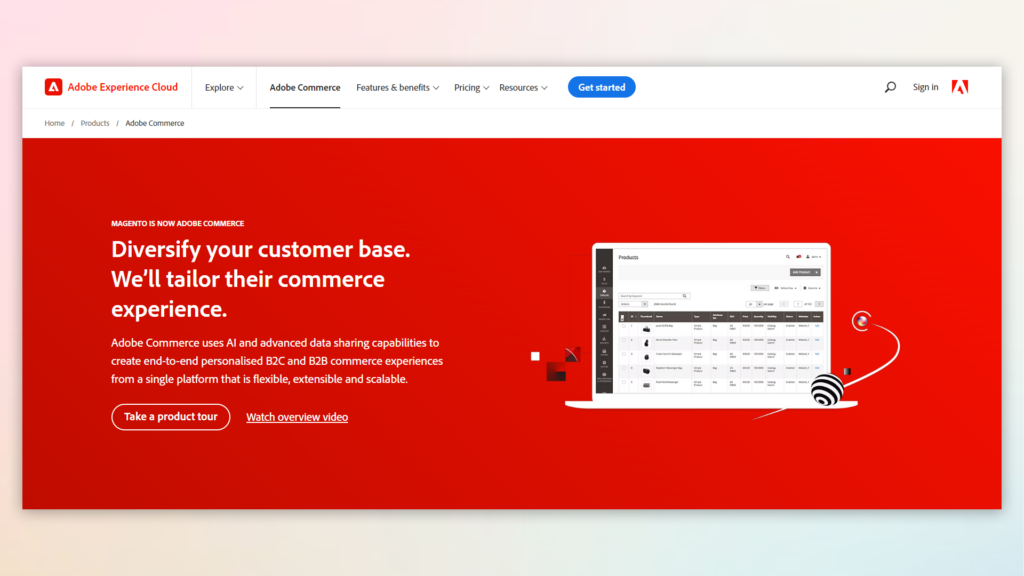
Magento, an open-source best e-commerce solution, empowers businesses of all sizes to create and manage online stores with flexibility and scalability. It’s highly adaptable, offering a wide range of features for building polished websites.
What makes Magento stand out is its strong SEO capabilities. It provides tools like meta tags, URL rewrites, and site maps to optimize store visibility on search engines. Additionally, Magento offers a comprehensive set of marketing tools for effective promotion and driving traffic to your online store.
Magento offers various pricing options, including a free Community edition for a solid starting point. There are also paid Enterprise and Cloud editions with extra features and support for larger enterprises. This diverse range of options ensures businesses can align resources with their unique needs and goals.
Read More: To Know About Magento Alternatives
5. Volusion
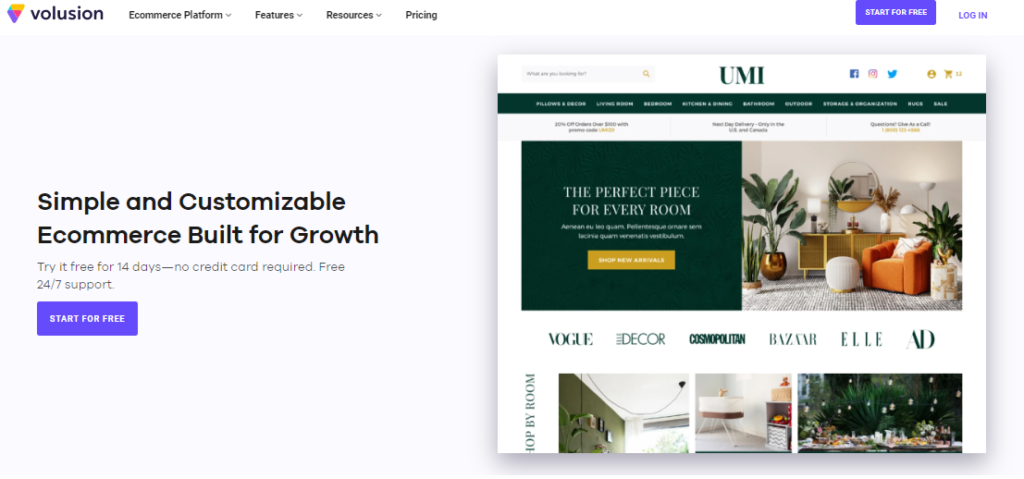
Volusion, a dynamic ecommerce website builder, empowers businesses to effortlessly establish and oversee their virtual stores. This innovative platform presents a multitude of functionalities, encompassing personalized templates, adept product management tools, and dependable payment and shipping solutions. In addition, Volusion grants users the capability to effectively monitor their inventory and sales while leveraging integrated analytical instruments to assess their website’s performance.
With an emphasis on user-friendliness, Volusion obviates the need for technical expertise, ensuring seamless navigation for all. To further enhance the experience, Volusion extends round-the-clock customer support, guaranteeing assistance in overcoming any hurdles that may arise. Overall, Volusion stands as an exceptional choice for small to medium-sized enterprises seeking a swift and hassle-free approach to establishing a robust online store.
Conclusion
Your digital business’s success depends heavily on selecting the best e-commerce solution. To make a smart choice, follow these steps: listen to expert advice, explore various platforms, and compare their offerings. Your goal is to find the best option tailored to your business needs.
Keep in mind that your chosen platform should be flexible and scalable to accommodate future growth opportunities. So, invest time in thorough research before making a decision. I wish you success in your decision-making process and in achieving profitable sales!
Frequently Asked Questions(FAQs)
1. What is the best e-commerce platform, and why should I use one?
The best e-commerce solution is a software solution that allows businesses to set up an online store to sell products or services. There are several benefits to using an e-commerce platform, including increased sales potential, improved customer reach, and streamlined order management.
2. What are some popular e-commerce platforms available in the market?
Some popular e-commerce platforms include Wcart, Webnexs, Shopify, WooCommerce, Magento, and Squarespace.
3. Can I customize the design of my e-commerce store on these platforms?
Yes, most of the best e-commerce platforms offer customizable design templates and themes, allowing businesses to create a unique online store that reflects their brand and product offerings.
4. How do e-commerce platforms handle security and protect my customers’ data?
Best e-commerce platforms typically implement several security measures to protect both businesses and their customers. These measures such as SSL encryption, PCI compliance, two-factor authentication, and fraud detection tools. Platforms also offer robust data privacy policies and terms of service agreements, outlining how they collect, store, and use customer data.
5. Can I integrate my e-commerce platform with other tools and software?
Yes, mostly all the best e-commerce platforms offer integrations with various third-party tools and software, allowing businesses to enhance their online store’s functionality and streamline their operations. Some popular integrations such as accounting software, email marketing platforms, social media channels, and shipping and fulfillment providers.
Which e-commerce solution to choose?
Choose an e-commerce solution based on your business needs, such as scalability, customization, and ease of use. Consider popular options like Shopify for beginners, WooCommerce for WordPress users, or BigCommerce for multichannel selling. Evaluate features, integrations, and support to find the best fit for your online store.


























Leave a Reply