

Planning an ecommerce website is very important to build a successful online business. Without proper planning even a well designed store may not attract customers or make sales.
Pick from the best ecommerce platforms.
Ready to build? See building your ecommerce website.
Because they neglect the planning stage, many businesses suffer from poor user experience, slow performance and low conversion rates. According to studies 88% of online shoppers are less likely to come back after a bad experience and the majority of users abandon websites that are slow or confusing in a matter of seconds. In order to help you create a high performing online store that boosts sales in 2026 this guide will walk you through the process of planning an ecommerce website using seven easy tips.
Quick Summary
- Planning helps avoid costly mistakes
- Clear goals and audience understanding are important
- Mobile optimization and user experience are critical
- Security and content help improve trust and conversions
What is Ecommerce Website Planning?
Planning an ecommerce website entails selecting your objectives, features, style and strategy before starting an online store. You can create a website that is user friendly, efficient and converts visitors into customers with careful planning.
Why Ecommerce Website Planning is Important
Planning helps you:
- Create a clear business strategy
- Improve user experience
- Reduce development mistakes
- Increase conversions and sales
👉 A well planned ecommerce website performs much better than a poorly planned one.
7 Essential Tips to Plan an Ecommerce Website

1. Clearly define your goals and objectives

Establish your ecommerce websites objectives first.
- Set revenue goals
- Define your target market
- Plan product categories
- Identify business priorities
Every decision made during development is guided by specific goals.
2. Recognize Your Target Market

Understanding your target customers helps you improve the shopping experience.
- Find out what customers need and what they like.
- Examine consumer purchasing patterns
- Understand customer problems
Once you have a complete understanding of your audiences needs, you can design a website that meets those needs.
3. Choose the Right Ecommerce Platform

The performance and expansion of your website depend on the platform you select.
- Examine features and costs.
- Check scalability
- Review payment and security options
- Evaluate ease of use
The ideal platform should help your company expand.
4. Design a User Friendly Experience
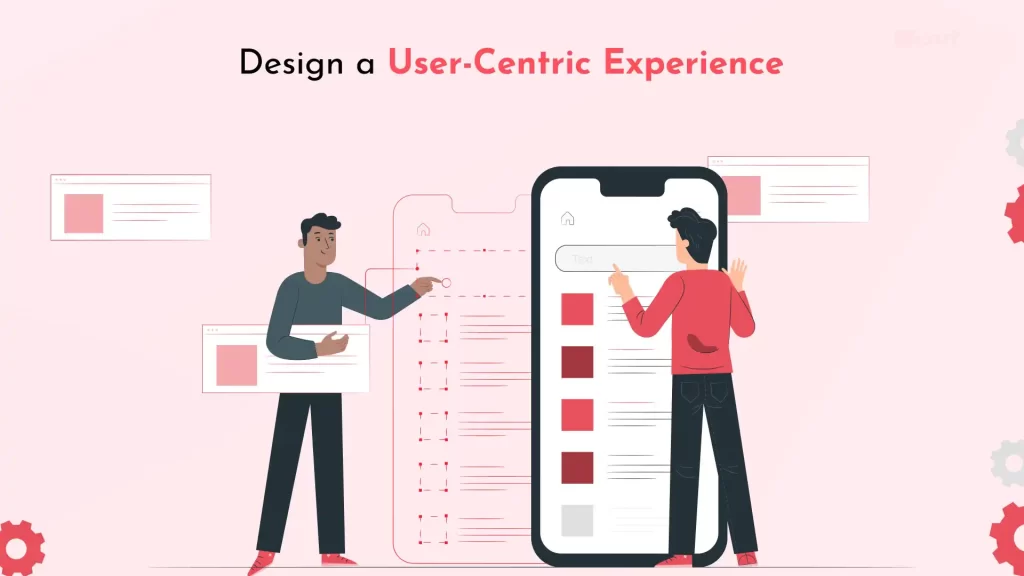
Conversions are significantly influenced by user experience.
- Use simple navigation
- Create clear product categories
- Design an easy checkout process
- Add clear call to action buttons
A straightforward and uncomplicated design makes it easier for customers to finish their purchase.
Advanced header customization
If you want full control over your storefront’s first impression, Wcart’s advanced ecommerce header builder lets you customise navigation layout, sticky bars, and trust badges without touching a line of code.
5. Make Your Website Mobile Friendly

Since most customers shop on mobile devices, your website needs to function properly on all screen sizes.
- Use responsive design
- Ensure fast loading on mobile
- Simplify mobile checkout
Search rankings and user experience are both enhanced by a mobile friendly website.
6. Implement Strong Security Measures

To safeguard client information and foster trust security is crucial.
- Use SSL certificates
- Enable secure payment systems
- Defend yourself from fraud
A secure website increases customer confidence.
7. Plan a Strong Content Strategy

Content helps attract and engage customers.
- Write clear product descriptions
- Create helpful blog content
- Use quality images and videos
- Apply SEO best practices
Good content helps bring more traffic and improve conversions.
Read More: Best Ecommerce Website Builders
Real Example: How Proper Planning Improves Ecommerce Performance
Real world examples are one of the best ways to comprehend the significance of planning.
A great example is the Zeekas ecommerce case study.
👉 Read the full case study:
https://wcart.io/zeekas-case-study
Challenges Faced
- Poor user experience
- Slow website performance
- Difficulty handling growth
Solution Implemented
- Improved website structure and navigation
- Optimized website performance
- Built a scalable ecommerce system
Results Achieved
- Faster website speed
- Better user experience
- Increased conversions
This example clearly shows that proper planning can improve both performance and sales.
Ecommerce Website Planning Checklist
Before launching your website, make use of this checklist:
- Define business goals
- Identify target audience
- Choose the right platform
- Plan website structure
- Design user experience
- Optimize for mobile
- Implement security
- Create SEO content
Nothing is overlooked thanks to this checklist.
Key Takeaways
- A successful ecommerce website requires careful planning.
- Performance and conversions are enhanced by a well defined strategy.
- Mobile optimization and user experience are critical
- Security and content help build trust
Conclusion
Planning your ecommerce website is the first step in building a successful online business. These processes which range from clearly defined goals to user friendly design and secure checkout, contribute to a smooth shopping experience and increased conversion rates.
If you want to grow your ecommerce business in 2026, focusing on proper planning will give you a big advantage.
Frequently Asked Questions (FAQs)
1. How do you plan an ecommerce website?
You can plan an ecommerce website by setting clear goals, understanding your target audience, choosing the right platform and creating an easy to use design.
2. Why is planning important for ecommerce websites?
Planning helps improve user experience reduce mistakes and increase conversions.
3. What should an ecommerce website include?
It should include product pages search features secure checkout mobile optimization and fast performance.
4. How much time does it take to design an online store?
It can take a few days or a few weeks to plan an online store, depending on your business needs.
5. What is the biggest mistake in ecommerce planning?
Skipping proper planning and focusing only on design instead of functionality and user experience.

























Leave a Reply