The best social media platform for your online store depends on your product type and where your buyers already spend time. TikTok Shop currently converts at the highest rate of any social platform at 4.7%, Instagram Shopping follows at 2.1%, and Pinterest drives the highest average order value of any social channel. Most stores see the best results running two or three platforms at once instead of spreading thin across all of them.
Key Takeaways
Audience alignment is critical: Choose platforms where your target customers are most active.
Picking a social platform for your store isn’t about chasing the biggest user count. It’s about matching your product, content style, and team’s bandwidth to where real buying intent already exists.
This guide ranks the top 15 platforms for ecommerce, backed by 2026 data, so whether you’re comparing social ecommerce platforms broadly or just trying to find the best social media for ecommerce for your specific product, you’ll have real numbers instead of guesswork
Ready to Run Your Store Through WhatsApp?
Create your Wcart store and manage products, prices, stock, and orders simply by chatting on WhatsApp – no dashboard needed.
Why Platform Choice Directly Affects Your Store’s Revenue
Picking the right platform isn’t a branding decision, it’s a revenue decision. Businesses that align platform choice with buyer intent see measurably better returns than those posting everywhere at once.
More than 80% of marketers report a measurable positive impact on revenue and pipeline from social media, according to Salesforce’s State of Marketing research. That impact only shows up when the platform actually matches the audience.
Nearly 48% of customers say they prefer using social media to learn about a small business before buying from it, per Salesforce’s small business marketing data, which makes platform fit a discovery issue as much as a sales one.
Why Does Platform Selection Matter for Social Commerce?
Social commerce isn’t just about being present on social media—it’s about being strategic. With social commerce growing rapidly, the wrong platform choice can waste resources, while the right one can amplify sales and brand visibility.
Many online stores spread themselves too thin, trying to master every platform. Others pick platforms based on popularity, not performance. The result? Low engagement, minimal sales, and frustration.
Your goal is to meet customers where they already are, with content that resonates and tools that simplify buying. Whether you’re selling handmade jewelry or tech gadgets, the platform must align with your audience’s behavior and your product’s appeal.
How Do I Choose the Right Platform for My Store?
Step 1: Define Your Target Audience
Where does your audience spend time? If they’re Gen Z, prioritize TikTok and Instagram. If they’re professionals, LinkedIn might be worth exploring.
Step 2: Assess Product Fit
Visual products thrive on Instagram and Pinterest, while tech gadgets might perform better on YouTube or Twitter.
Step 3: Evaluate Resources
TikTok and Instagram require consistent, high-quality content. Pinterest demands SEO-optimized pins. Choose what you can sustain.
Step 4: Test and Measure
Start with one or two platforms, track engagement and sales, and adjust your strategy.
Top Social Commerce Platforms for Ecommerce, Ranked
1. TikTok
TikTok Shop leads every other platform on pure conversion performance, closing at 4.7% compared to a roughly 1.9% average across other social channels, according to Social Commerce Club’s 2026 data.
Best for: Brands with fast-moving, trend-friendly products and a team that can post several times a week.
Features to leverage: TikTok Shop for in-app checkout, Shop tabs on your profile for a standing storefront, and creator affiliate tools to turn influencers into a sales channel instead of just an awareness one.
Watch out for: Beauty and personal care already account for about 22% of US TikTok Shop GMV, so competition in that category is fierce.
Best for: Fashion, beauty, home goods, and any brand with strong photography or short video assets already in hand.
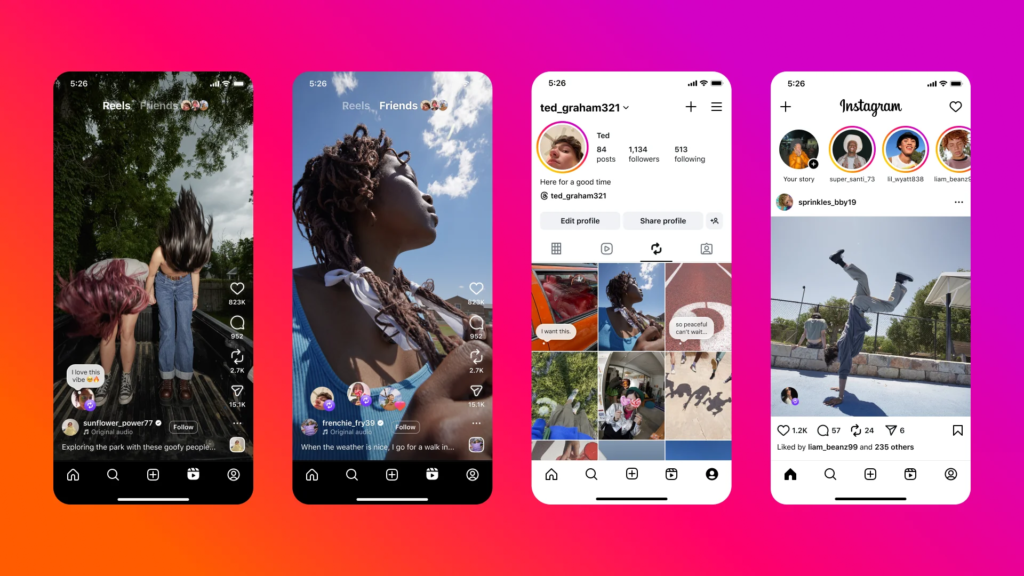
Features to leverage: Product tags in feed posts and Reels let customers buy without leaving the app, Stories stickers drive urgency for limited drops, and Instagram Live lets you demo products with a shoppable link pinned throughout.
Watch out for: Organic reach keeps shrinking, so budget for paid boosts if you want consistent visibility.
Best for: Home decor, fashion, weddings, recipes, and any product tied to planning or inspiration.
Features to leverage: Product Pins link straight to your store, idea Pins showcase multiple uses of a product in one post, and themed boards let shoppers browse your catalog the way they’d browse a lookbook.
Watch out for: Results build slowly since Pins have a long shelf life; this isn’t a platform for quick, one-week campaigns.
Best for: Everyday products, local businesses, and brands that rely heavily on paid ad targeting rather than organic reach.
Features to leverage: Facebook Shops for a full storefront inside the app, Groups for building repeat-buyer communities around your niche, and detailed ad targeting by interest and behavior for retargeting site visitors who didn’t check out.
Watch out for: Organic reach has dropped sharply over the past few years, so this platform now leans heavily on paid spend to perform.
5. YouTube
YouTube ranks as the second-most-visited website globally with roughly 2.5 billion monthly active users, according to Backlinko’s YouTube user data.
Best for: Tech, beauty, and any product that benefits from a real demonstration or detailed review before purchase.
Features to leverage: Shoppable video tags let viewers buy directly from a review or demo, YouTube Shorts extends reach to a younger audience, and Live lets you run a real-time launch event with a pinned purchase link.
Watch out for: Production quality expectations are higher here than on TikTok, so budget more time per piece of content.
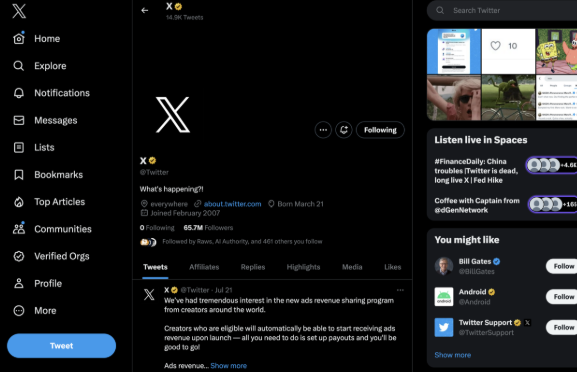
Best for: Tech, media, and brands that thrive on timely commentary, launches, or customer conversation.
Features to leverage: Threads let you unpack a product story across several posts, Polls gather quick buyer feedback, and fast public replies double as visible customer service.
Watch out for: Ecommerce-specific shopping tools here remain limited compared to Instagram or TikTok.
Best for: Beauty, fashion, and gaming-adjacent products targeting a Gen Z audience.
Features to leverage: AR try-on lenses let shoppers preview makeup or accessories before buying, Snap Ads run between friends’ Stories for native-feeling reach, and Spotlight surfaces short product clips to new audiences.
Watch out for: Content has a very short lifespan, so it demands frequent, ongoing posting to stay visible.
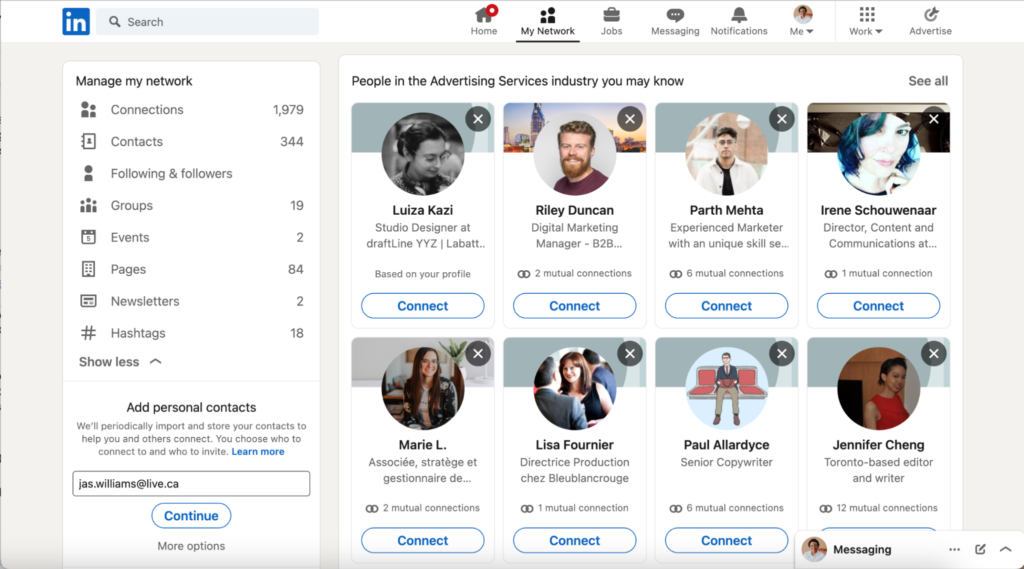
Best for: B2B brands, wholesale sellers, and any store whose buyer is making a purchase decision on behalf of a company.
Features to leverage: Company Pages act as a standing storefront for B2B credibility, Articles build authority around your product category, and Sponsored InMail reaches decision-makers directly.
Watch out for: Consumer-facing ecommerce tools are minimal here compared to consumer platforms.
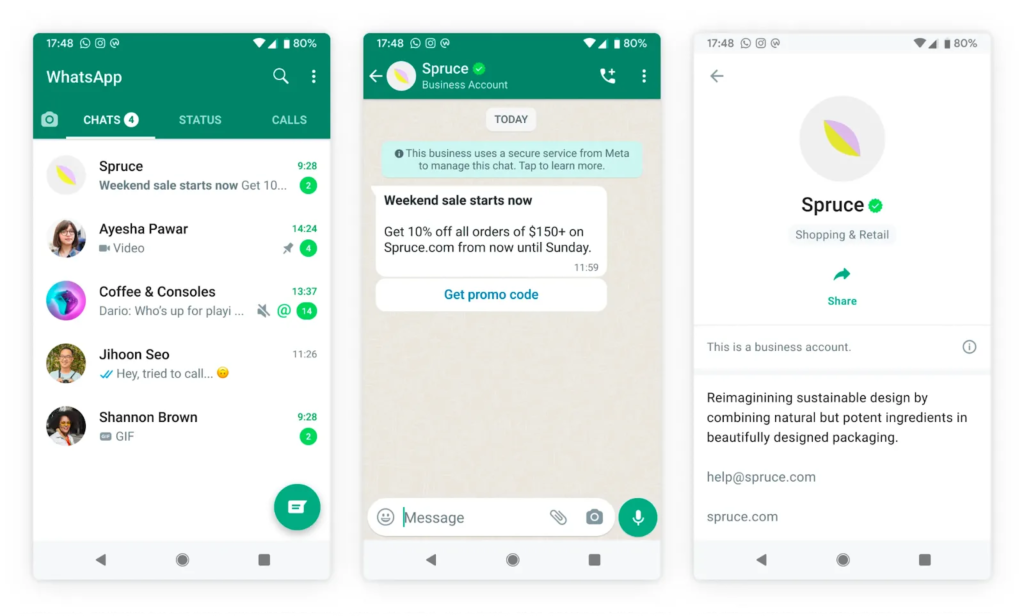
Best for: Direct customer support, order updates, and personalized selling in regions where WhatsApp usage is high.
Features to leverage: Catalogs let customers browse products inside a chat, automated order confirmations cut support workload, and broadcast lists reach repeat buyers directly.
Watch out for: This works best as a support layer alongside another platform, not as a standalone discovery channel.
10. Threads
Threads has grown into a text-first space for brand personality and community conversation, sitting closer to X than Instagram in tone.
Best for: Brands that already have a strong voice on Instagram and want a lower-pressure space for behind-the-scenes commentary.
Features to leverage: Cross-posting from Instagram saves production time, quick text replies build community trust, and trending topic threads offer light-touch visibility without heavy video production.
Watch out for: Native shopping tools are still limited, so treat this as a brand-building channel for now.
Best for: Hobbyist products, tech gear, and anything with a passionate, community-driven fan base.
Features to leverage: Subreddit AMAs build direct trust with a niche audience, community-specific ads blend into organic discussion, and genuine participation in product-related threads drives long-term brand recall.
Watch out for: Overt selling gets penalized fast here; authentic community participation matters more than polished ads.
12. Telegram
Telegram has crossed 1 billion monthly active users, with 53.5% of its user base between 18 and 34 years old, according to DemandSage’s 2026 Telegram data.
Best for: Drops, limited releases, and brands with a dedicated following that wants direct updates.
Features to leverage: Broadcast channels reach thousands of subscribers ad-free, pinned messages keep active promotions visible, and bots can automate order status updates.
Watch out for: Discovery is nearly nonexistent here, so this channel only works once you already have an audience.
Best for: Drop-based brands and products with a built-in fandom or collector culture.
Features to leverage: Dedicated channels for early access build a sense of insider status, role-based access can gate exclusive product drops, and voice chat events let you run live Q&As with buyers.
Watch out for: Setting up and moderating a server takes real ongoing effort, so this isn’t a low-maintenance channel.
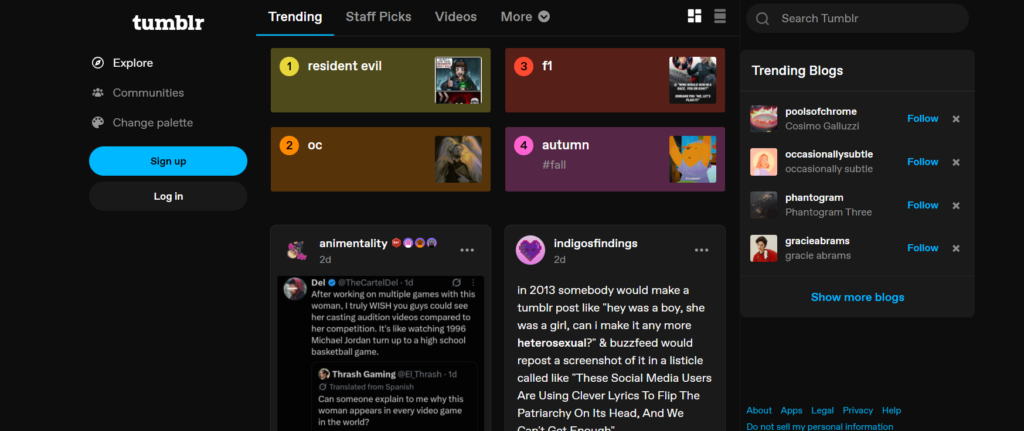
14. Tumblr
Tumblr’s niche, aesthetic-driven communities still hold strong influence in fashion, art, and alternative culture spaces.
Best for: Independent designers, artists, and brands with a distinct visual identity that fits Tumblr’s creative culture.
Features to leverage: Reblog culture extends organic reach further than a typical feed post, tag-based discovery surfaces your products to niche aesthetic communities, and long-form posts let you tell a fuller brand story.
Watch out for: Reach is far smaller than the major platforms, so this works best as a supplementary channel.
15. WeChat
WeChat has around 1.43 billion global users, with over 945 million Mini Program users inside China alone, according to DemandSage’s 2026 WeChat data.
Best for: Brands with an active customer base in China or planning cross-border expansion into that market.
Features to leverage: Mini Programs function as a full standalone storefront inside the app, WeChat Pay removes checkout friction for local buyers, and Official Accounts let you push updates directly to followers.
Watch out for: Setting up a WeChat store requires local business registration in most cases, so plan for a longer setup timeline.
Comparing the Top Platforms Side by Side
Platform
Conversion Rate
Best Product Fit
Primary Age Group
TikTok
4.7%
Trend-driven, visual products
18-24
Instagram
2.1%
Fashion, beauty, home
18-34
Facebook
1.8%
Everyday, broad-appeal products
25-65+
Pinterest
Higher AOV, lower click volume
Home, lifestyle, planning-based
25-34, majority women
YouTube
Varies by content length
Tech, beauty, detailed demos
18-49
How Do I Integrate Social Commerce Into My Store?
Turning your product catalog into a social media storefront is the fastest way to remove friction between discovery and checkout.
Connecting your product catalog directly to platforms like Instagram Shopping and TikTok Shop removes friction between discovery and checkout.
Unlike marketplaces that charge ongoing transaction fees on every social sale, a self-hosted platform like WCART lets stores keep more of each sale’s margin.
Tools like Instagram Shopping Setup and TikTok Shop sync your catalog directly to platforms, enabling in-app purchases. For email-driven strategies, pair social campaigns with email list building and drip campaigns to nurture leads.
How Do You Measure Success on Social Media Platforms?
Success on social media isn’t just about likes or followers—it’s about driving meaningful outcomes for your business. Metrics vary by platform and goal, but here’s how to evaluate performance:
Engagement Rate: Tracks interactions (likes, comments, shares) relative to followers. TikTok and Instagram typically lead here, but Pinterest’s engagement translates to long-term traffic.
Conversion Rate: Measures how many clicks turn into sales. Direct shopping features on Instagram and TikTok often outperform platforms without in-app purchasing.
Traffic to Website: Tools like UTM parameters help track how much social media drives site visits. Pinterest and YouTube excel in this area.
Brand Awareness: Monitor mentions, hashtag use, and follower growth to gauge visibility. TikTok’s viral nature can boost this metric significantly.
Use platform analytics (e.g., Instagram Insights, TikTok Analytics) and third-party tools to track progress. Adjust your strategy based on what resonates most with your audience.
Best Social Media Platforms to Sell Products: Side-by-Side Comparison
Each platform has unique strengths and limitations for ecommerce. Here’s a breakdown:
Instagram vs. TikTok:
– Instagram offers a polished, visual-first experience with Reels and Stories. Ideal for brands with high-quality imagery. – TikTok prioritizes creativity and trends, making it perfect for viral campaigns. Its younger audience skews toward Gen Z.
Facebook vs. Pinterest:
– Facebook caters to a broader demographic with robust ad targeting and community-building tools. – Pinterest acts as a visual search engine, driving discovery for lifestyle and niche products.
YouTube vs. Twitter/X:
– YouTube is best for detailed product explanations and tutorials, leveraging its searchability. – Twitter/X excels in real-time engagement and trending topics but lacks direct ecommerce tools.
Frequently Asked Questions
A: Yes, platforms like Instagram, Facebook, and TikTok allow in-app purchases. However, a website gives you more control over branding and customer data.
A: Instagram and Facebook are beginner-friendly, with tools like Shops and Marketplace. TikTok is great for viral growth but requires more creativity.
A: Consistency matters more than frequency. Start with 3-5 posts per week and adjust based on engagement.
A: Combine both. Organic content builds authenticity, while paid ads amplify reach. Test what works for your audience.
By aligning platform choice with your audience and product, you can turn social media into a powerful sales channel. Start small, measure results, and scale strategically.
A: If your audience is Gen Z and you can create trend-driven, creative content, TikTok is ideal. For visual products and a broader age range, Instagram is better.
A: Pinterest drives both inspiration and sales. Product Pins with direct links can convert users actively searching for ideas.
A: Twitter/X is best for brands with a strong voice and timely promotions. It’s less effective for direct sales but great for engagement and customer service.
TikTok, Instagram, and Pinterest currently lead for ecommerce, but the “best” one depends on your product. TikTok converts highest overall, Instagram works best for visual products like fashion and home goods, and Pinterest drives the highest average order value for planning-based purchases.
Instagram and Facebook are the easiest starting points both have built-in shopping tools (Shops, product tags) and don’t require the constant content output TikTok demands. Start with one, measure results, then expand.
A social ecommerce platform lets customers buy directly inside the app — through tools like Instagram Shopping, TikTok Shop, or Facebook Shops — rather than just linking out to your website. A regular account without these tools drives awareness but adds an extra step before checkout.
Instagram and TikTok are the top two for most DTC brands Instagram for polished product visuals, TikTok for trend-driven, fast-turnaround content. Facebook remains strong for DTC brands that rely on paid ad targeting over organic reach.
TikTok Shop and Instagram Shopping currently drive the highest sales volume among social platforms, with TikTok leading on conversion rate and Instagram leading on overall reach for visual products.


































Leave a Reply