12 Types of Ecommerce Business Models

By Rahul | Last Updated on May 7, 2026

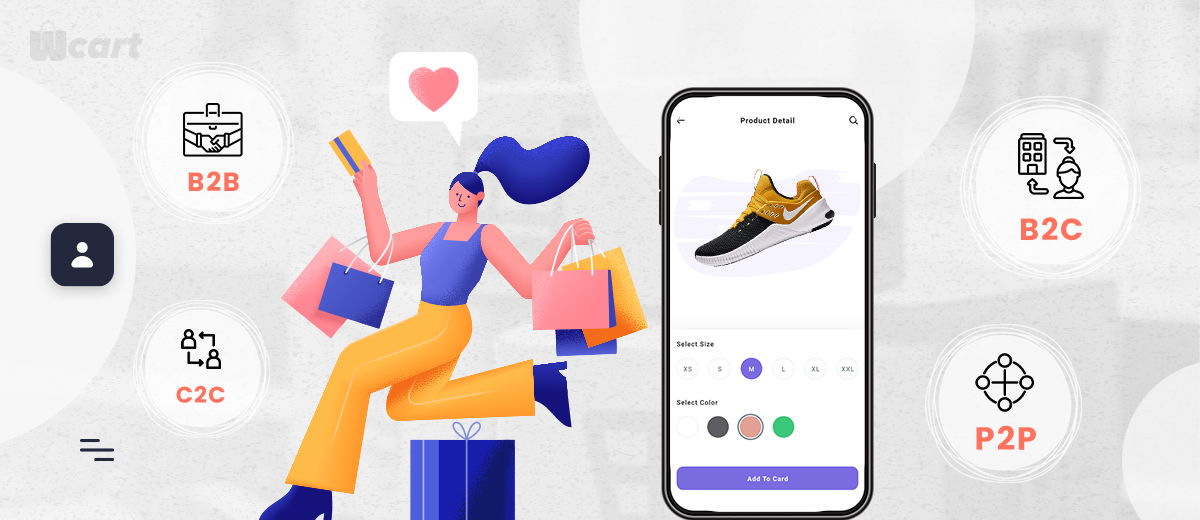
Explore to know about the 6 types of ecommerce

Ecommerce has completely changed the way businesses sell products and services. Today, businesses can reach people over the world using the internet. They can use Online stores, marketplaces and phone apps to sell their products and services.

Ecommerce is getting really big everywhere. It is a huge part of the internet economy. According to reports, global online sales may cross $8 trillion by 2027, while the ecommerce market in India could reach nearly $350 billion by 2030 due to the growth of online payments, mobile shopping, and faster delivery services.

In this guide , we will talk about the popular ecommerce business models what is good about them what is hard about them . This will help you pick the way to do online business with your ecommerce business and make the right choice, for your ecommerce company.

What Is Ecommerce?

types of ecommerce are shopping online, paying electronically, online auctions, and internet banking

Ecommerce also called as electronic commerce, because people’s were buying and selling products or services in online. Customers can browse products, place orders, make payments, and receive deliveries using websites, apps, or online marketplaces.

Today, ecommerce happens through :
  • Online stores
  • Mobile applications
  • Online marketplaces
  • Social media platforms
  • Digital marketplaces
Customers can pay using:
  • Credit cards
  • Debit cards
  • Internet banking
  • Digital wallets
  • Buy now pay later services

One of the biggest advantages of ecommerce is that businesses can sell products globally without opening physical stores in every location.

What Are Ecommerce Business Models?

Ecommerce business models explain how online businesses sell products or services and generate revenue. Different ecommerce models define who sells the products, who buys them, how orders are delivered, and how businesses make profit.

A company that sells software to other businesses, for instance functions differently than one that sells clothes to consumers. Despite being ecommerce businesses, they have different business strategies.

Choosing the right model affects:
  • Profit margins
  • Marketing strategies
  • Customer acquisition
  • Operations and logistics
  • Business growth

Some ecommerce businesses sell directly to customers, while others work through marketplaces, subscriptions, or wholesale systems. 

Want to Start Your Own Ecommerce Store?

If you’re planning to launch an online business choosing the right ecommerce platform is just as important as selecting the right business model.

With Wcart, you can build a powerful ecommerce website with features like:

Start your ecommerce business today with Wcart.

Overview of Major Ecommerce Business Models

Here is a quick look at the most common ecommerce models:
ModelSellerBuyerExample
B2CBusinessConsumerAmazon
B2BBusinessBusinessAlibaba
C2CConsumerConsumereBay
C2BConsumerBusinessShutterstock
D2CBrandConsumerWarby Parker
MarketplaceMultiple SellersConsumersEtsy
DropshippingRetailerConsumerShopify stores
SubscriptionBusinessConsumersNetflix
Social CommerceBrandConsumersInstagram Shops
AffiliateAffiliate MarketerConsumerAmazon Associates
Print on DemandSellerConsumerRedbubble
White Label BrandConsumerPrivate Label Brands 

12 Types of Ecommerce Business Models

1. Business to Consumer Ecommerce Model

B2C eCommerce business model is one of the top-performing types to start a business, offering direct sales from businesses to consumers through online platforms.

B2C is one of the most common ecommerce business models. In this model, businesses sell products or services directly to customers through online stores.

Customers directly visit an ecommerce website, browse products, add items to their cart, make payments, and receive delivery.

Popular B2C industries include:

  • Fashion
  • Electronics
  • Groceries
  • Cosmetics
  • Home goods
Examples:
  • Amazon
  • Walmart
  • Nike
Advantages:
  • Large customer base
  • Faster purchase decisions
  • Strong online visibility
Challenges:
  • Lots of competition
  • Cost to get new customers
  • Delivery and logistics issues

2. Business to Business  Ecommerce Model

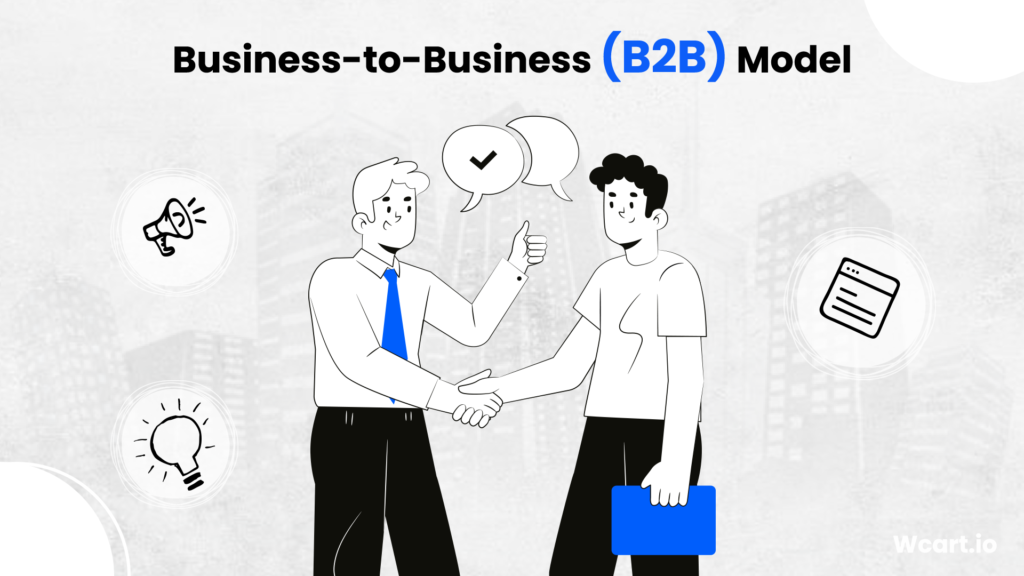
In the B2B ecommerce model, businesses sell products or services to other businesses. Orders are usually larger compared to B2C ecommerce.

Common B2B industries include:

  • Wholesale distribution
  • Manufacturing
  • Software as a Service (SaaS)
  • Office supplies
Examples:
  • Alibaba
  • IndiaMART
  • Grainger
Advantages:
  • Higher order value
  • Long-term customer relationships
  • Predictable revenue
Challenges:
  • Longer sales cycle
  • Multiple decision makers
  • Complex pricing systems

3. Consumer to Consumer Ecommerce Model

C2C business model is a direct selling method where individuals sell products or services to each other, often facilitated through online platforms.

C2C ecommerce models allows consumers to sell products directly to other consumers through online marketplaces.

People usually sell:

  • Used products
  • Handmade items
  • Collectibles
  • Second-hand goods
Examples:
  • eBay
  • OLX
  • Facebook Marketplace
Advantages:
  • Easy to start
  • Low investment
  • Large audience reach
Challenges :
  • Product quality issues
  • Fraud risks
  • Trust management

4. Consumer to Business  Ecommerce Model

C2B is one of the eCommerce models, where consumers offer products or services to businesses. Many users participate in this model, providing valuable resources for companies.

C2B is different from traditional selling methods. In this ecommerce strategy, individuals offer products or services to businesses.

Common examples include:

  • Freelancing
  • Content creation
  • Influencer marketing
  • Photography licensing
Examples:
  • Fiverr
  • Upwork
  • Shutterstock
Advantages
  • Flexible income opportunities
  • Global client access
  • Skill-based earnings

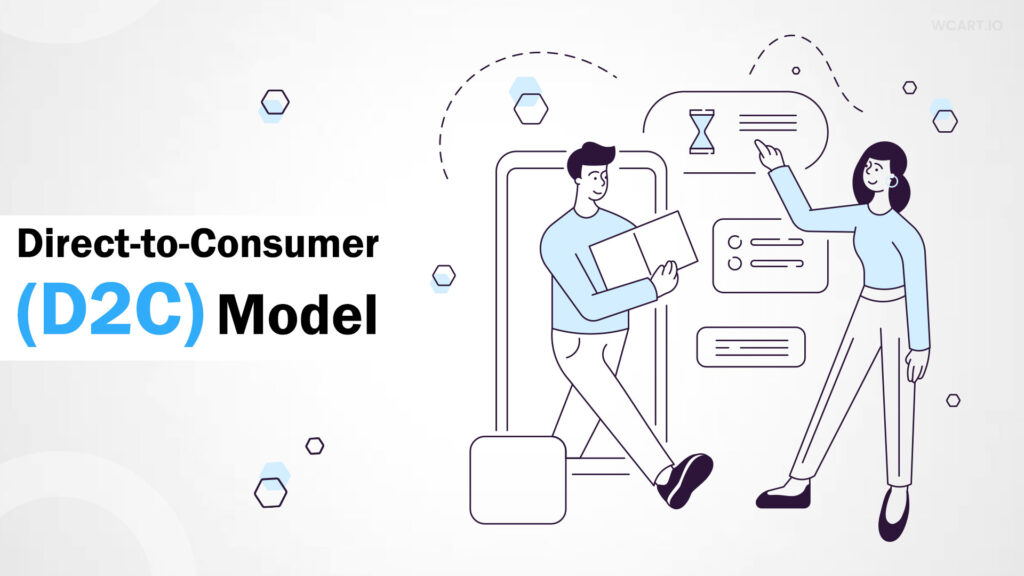
5. Direct to Consumer  Ecommerce Model 

The Direct-to-Consumer (D2C) model is one of the best eCommerce business models because it allows you to sell products directly to your target customers. This approach is an effective way to increase sales and build a stronger connection with your audience.

D2C brands sell directly to customers without depending on marketplaces or third-party sellers.

This digital commerce model gives businesses more control over:
  • Customer experience
  • Branding
  • Pricing
  • Customer data
Popular D2C brands:
  • Warby Parker
  • Glossier
  • Casper
Advantages:
  • Higher profit margins
  • Better customer relationships
  • Strong brand identity
Challenges:
  • Higher marketing cost
  • Delivery management
  • Customer acquisition efforts

Build Your Own Direct-to-Consumer Brand

Many modern ecommerce brands choose the Direct-to-Consumer (D2C) model because it offers better profit margins and full control over customer relationships.

Platforms like Shopify and modern alternatives like Wcart allow businesses to launch scalable ecommerce stores with advanced features.

Create your D2C ecommerce store with Wcart

6. Marketplace Ecommerce Model

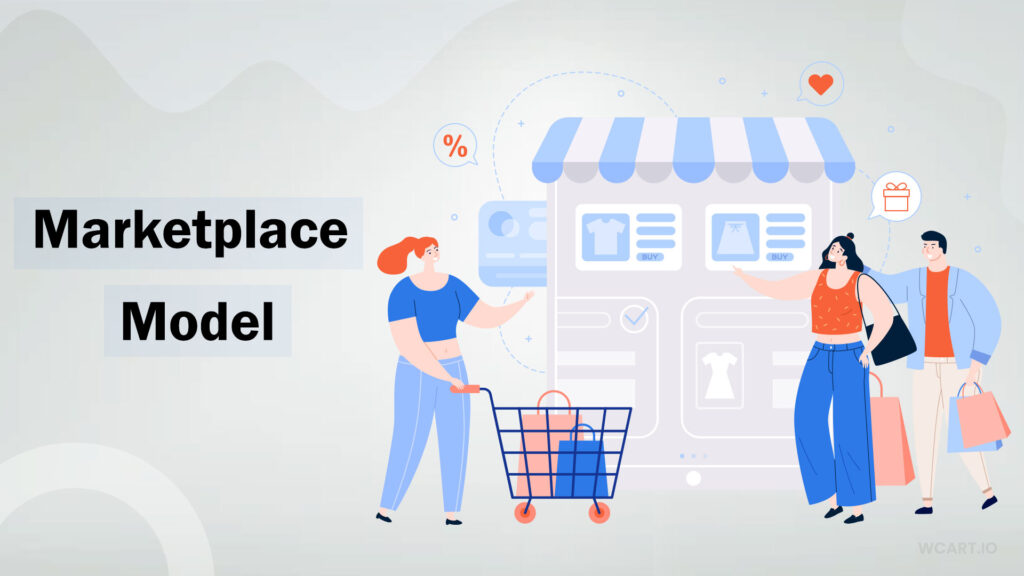
Marketplaces allow several vendors to display their goods in one location. The inventory is not owned by the platform.

The platform itself usually does not own the products. Instead, it earns revenue through:
  • Seller commissions
  • Listing fees
  • Advertisements
  • Subscription plans
Examples:
  • Amazon Marketplace
  • Etsy
  • Flipkart Marketplace
Advantages:
  • Large product variety
  • High visitor traffic
  • Lower inventory risk
Challenges:
  • High seller competition
  • Platform dependency
  • Less brand control

7. Dropshipping Ecommerce Model

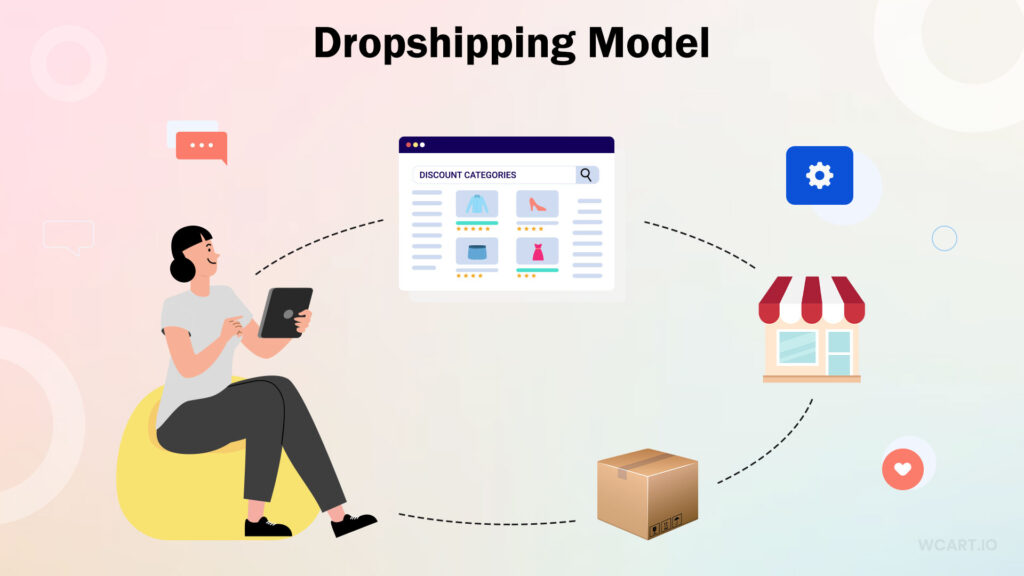
Dropshipping is an ecommerce method where store owners sell products without keeping inventory.

When a customer places an order, the supplier ships the product directly to the customer.

Advantages:
  • Low startup cost
  • No inventory management
  • Easy store setup
Challenges:
  • Lower profit margins
  • Supplier dependency
  • Limited shipping control

Launch an Ecommerce Store Without Heavy Investment

Many entrepreneurs start with ecommerce models like dropshipping or marketplace selling because they require lower startup costs.

Start your ecommerce store using Wcart’s scalable ecommerce platform.

8. Subscription Ecommerce Model

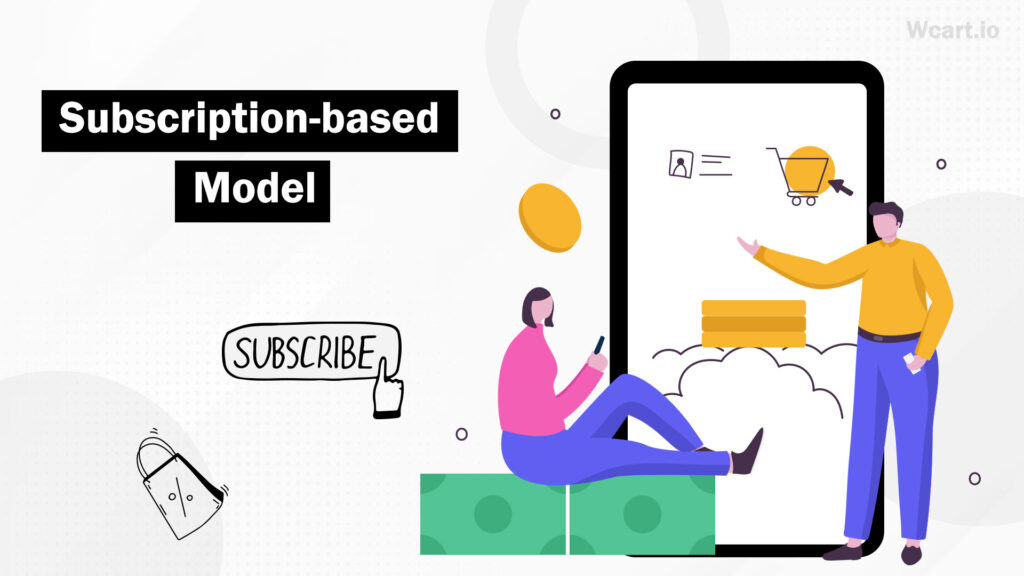
Subscription ecommerce allows customers to pay regularly for products or services. Here , Products are delivered weekly, monthly, or yearly depending on the subscription plan.

Popular examples:
  • Netflix
  • Dollar Shave Club
  • HelloFresh
Advantages
  • Recurring revenue
  • Better customer loyalty
  • Stable demand
Challenges
  • Customer retention
  • Subscription cancellations
  • Ongoing service management

9. Social Commerce Model

Social commerce allows businesses to sell products directly through social media platforms. Here , Customers can discover and buy products without leaving the platform.

Popular platforms:
  • Instagram Shops
  • Facebook Shops
  • TikTok Shop
Advantages :
  • Better audience engagement
  • Faster buying decisions
  • Strong mobile shopping experience
Challenges:
  • High competitiony.
  • Platform dependency
  • Changing algorithms

10. Affiliate Ecommerce Model

Affiliate ecommerce works through referral marketing. Affiliates promote products and earn commission when customers purchase using their referral links.

This online selling model is widely used by:
  • Bloggers
  • Influencers
  • YouTubers
  • Review websites
Advantages:
  • Low investment
  • Passive earning opportunity
  • Easy promotion methods
Challenges :
  • Commission limitations
  • Revenue dependency on traffic
  • High competition

11. Print-on-Demand Ecommerce Model

Print-on-demand businesses sell customized products that are printed only after receiving orders.

Common products include:
  • T-shirts
  • Mugs
  • Posters
  • Phone cases
Examples:
  • Redbubble
  • Printful
Advantages :
  • No inventory storage
  • Personalized products
  • Lower startup investment
Challenges :
  • Lower profit margins
  • Production delays
  • Supplier dependency

12. White Label Ecommerce Model

White label ecommerce allows businesses to sell products manufactured by another company under their own brand name.

This ecommerce approach is common in:
  • Cosmetics
  • Supplements
  • Electronics
  • Consumer products
Advantages :
  • Faster product launch
  • Branding flexibility
  • Lower manufacturing cost
Challenges :
  • Limited product uniqueness
  • Supplier dependency
  • Strong competition

Read more: 12 Ecommerce Business Models in 2026

Comparison of Ecommerce Models

ModelOrder SizeSales CycleProfit Potential
B2CSmallShortMedium
B2BLargeLongMedium to High
C2CSmallShortLow to Medium
C2BSmallMediumMedium
D2CMediumMediumHigh
MarketplaceVariableMediumCommission based
DropshippingSmallShortLow to Medium
SubscriptionRecurringMediumHigh
Social CommerceSmallShortMedium
AffiliateSmallShortLow
Print on DemandSmallShortMedium
White LabelMediumMediumMedium to High

How to Choose the Right Model

Choose the ecommerce business model that best suits your business to drive high growth and maximize profits.

Factors to consider:

1.Target Audience

Decide whether you are selling to:

  • Individual consumers
  • Businesses
  • Government organizations

2.Product Type :

  • Some ecommerce models work better for physical products, while others are suitable for digital products or services.

3.Budget :

  • Some online retail models require inventory, warehousing, and marketing investment.
  • Dropshipping and affiliate marketing usually need lower investment.

4.Logistics:

  • Shipping, order management, and storage are important when choosing an ecommerce method.

5.Scalability :

  • Choose a business model that can grow with your business over time.

Start Your Ecommerce Business

Choosing the right ecommerce model is only the first step. Businesses also need a reliable online store builder and scalable ecommerce platform to manage products, payments, SEO, and customer experience.

Modern ecommerce solutions help businesses:

  • create an ecommerce website
  • manage online orders
  • improve customer experience
  • scale online sales

Whether you are starting a B2C store, D2C brand, or marketplace business, choosing the right ecommerce platform plays an important role in long-term growth.

Emerging Ecommerce Trends in 2026

1. Artificial Intelligence :
  • Recommend products
  • Automate marketing
  • Personalize shopping
2.Mobile Commerce :
  • Most purchases are done on smartphones
3.Headless Ecommerce :
  • Separate front-end and back-end for flexible websites
4.Social Commerce Growth:
  • Social media is becoming full ecommerce ecosystems

Conclusion

Ecommerce continues to grow rapidly across the world, and businesses now have multiple ways to sell products and services online. Understanding the different types of ecommerce helps businesses choose the right strategy based on their products, customers, and long-term goals.

From B2C and B2B to marketplace and subscription models, every ecommerce approach offers different advantages and challenges. Choosing the right model can improve customer reach, sales growth, and overall business performance.With the right ecommerce strategy and reliable ecommerce platform, businesses can build scalable online stores and grow successfully in the digital market.

Frequently Asked Questions:

B2B stands for “business to business,” and B2C stands for “business to consumer.” In B2B ecommerce, businesses sell products or services to other businesses through online platforms. In B2C ecommerce, businesses sell directly to individual customers, like you and me.

C2C ecommerce stands for “consumer to consumer.” It’s when regular people buy and sell things to each other online, usually through websites or apps like eBay or Facebook Marketplace. These platforms help with listing products, processing payments, and making the transaction easier.

D2C (Direct-to-Consumer) ecommerce has many benefits, like higher profits, stronger customer relationships, direct access to customer info, and more control over your brand.

1. B2B (Business to Business)

2. B2C (Business to Consumer)

3. C2C (Consumer to Consumer)

1. Online Retail

2. Online Banking

3. Education Services

4. Cloud Services

5. Entertainment

Comments

2 responses

  1. Robbin Avatar
    Robbin

    I’m very pleased to find this website. I wanted to thank you for ones time just for this fantastic read!!
    I definitely enjoyed every bit of it and i also have you bookmarked to look at
    new things on your blog.

    1. Muthukumar Avatar
      Muthukumar

      Thank you for your kind words and support! We appreciate your enthusiasm and hope you continue to enjoy our blog.

Leave a Reply

Your email address will not be published. Required fields are marked *

Awards & Recognitions