
Headless ecommerce solution is rapidly becoming the preferred choice for modern online businesses. As customer expectations grow and competition increases traditional ecommerce platforms often struggle to deliver speed flexibility and personalized experiences.
Stay current with the latest headless commerce trends.
See how this applies to ecommerce microservices.
In 2026 more than 65% of businesses are expected to adopt headless commerce to improve performance and scalability.
In this guide you will learn:
- What headless ecommerce is
- Key benefits and real world examples
- Cost and implementation process
- Whether it is the right choice for your business
Read More: To Know about What is Ecommerce
What Is Headless Ecommerce Solutions?
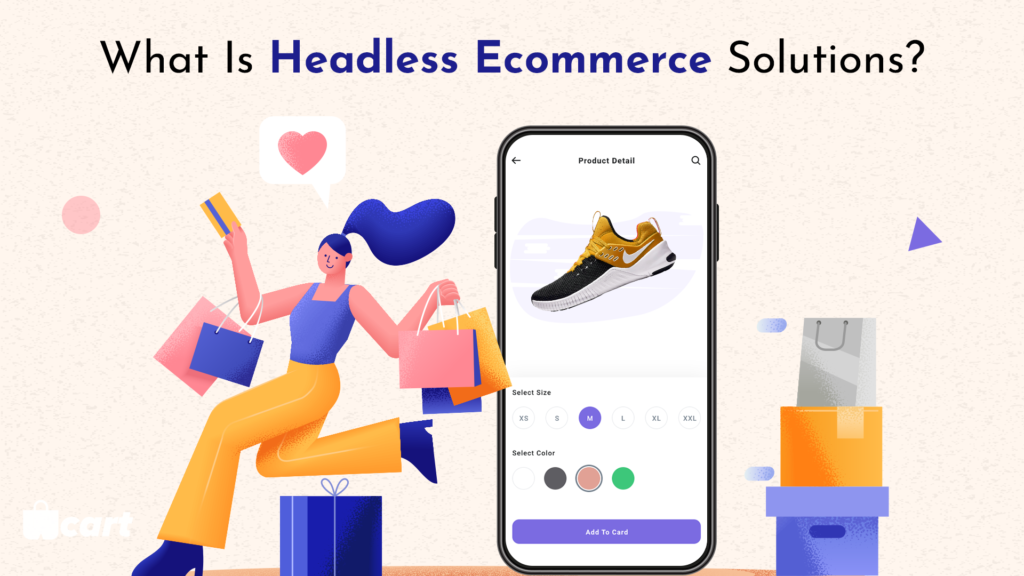
Is a cutting-edge approach to building online stores that offer numerous benefits for businesses. Unlike traditional ecommerce solution where the front and backend are tightly coupled, headless architecture separates these two components, allowing greater flexibility and customization.
In a headless ecommerce solution, the frontend, which is responsible for the user interface and presentation layer, is decoupled from the backend, which handles the business logic and data management. This decoupling is achieved through APIs (Application Programming Interfaces) that enable seamless communication between the frontend and backend.
Headless ecommerce empowers businesses with design freedom, scalability, and seamless omnichannel experiences. By adopting a headless architecture, businesses can create highly customized and engaging user experiences, easily scale their online stores, and deliver a cohesive shopping journey across multiple channels.
| Feature | Headless Ecommerce | Traditional Ecommerce |
| Frontend & Backend | Decoupled | Tightly coupled |
| Design Flexibility | Unlimited | Limited templates |
| Page Speed | Faster (CDN + APIs) | Slower |
| Omnichannel Support | Native | Limited |
| Scalability | High | Restricted |
| Personalization | Advanced | Basic |
| Best For | Growth & enterprise brands | Small/basic stores |
Read More: To Know about What is Headless Ecommerce
What Are the Key Benefits of a Headless Ecommerce Solution?
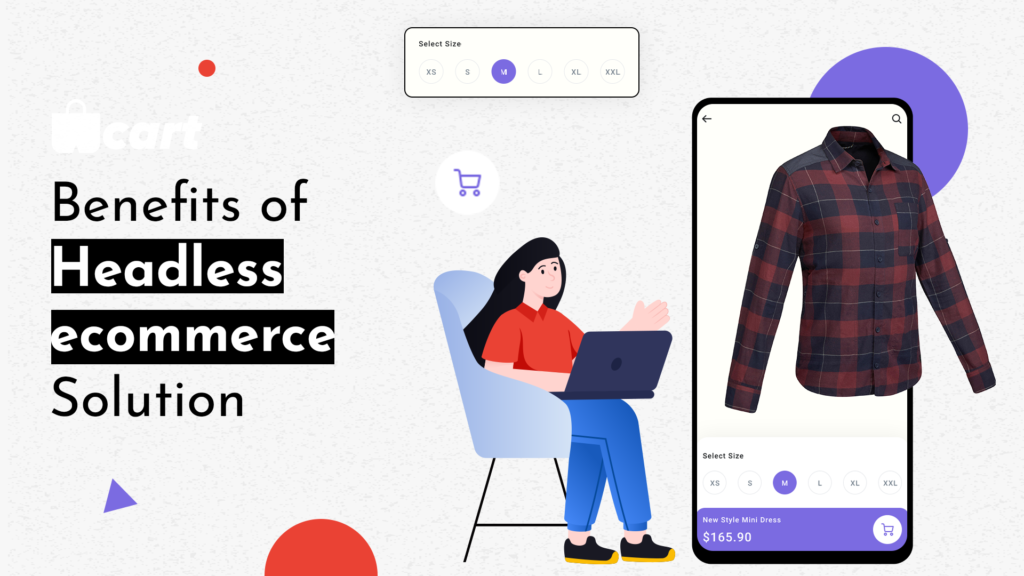
- Enhanced User Experience: With a headless ecommerce solution, you have the freedom to design a unique and captivating frontend experience for your customers. Therefore you can create custom interfaces, personalize content, and deliver targeted messages, leading to improved user engagement and higher conversion rates.
- Scalability and Performance Optimization: Headless architecture allows for server-side rendering and caching, resulting in faster page load times and improved site performance.
- Seamless Omnichannel Experiences: Empowers businesses to deliver a consistent user experience across multiple channels, i.e. mobile devices, tablets, and even emerging technologies like IoT devices and voice assistants. This capability enhances customer engagement and increases your brand’s reach and accessibility.
- Flexibility for Innovation: Decoupling the frontend and backend empowers businesses to experiment, and implement new technologies, features, and integrations, ensuring uninterrupted ecommerce operations, fostering innovation, and delivering distinctive customer experiences.
- Easy Integration with Third-Party Services: Headless architecture utilizes APIs for data exchange, making it seamless to integrate with various third-party services such as payment gateways, inventory management systems, customer relationship management (CRM) tools, and more. This integration capability enhances the overall functionality of your ecommerce solution.
- Future-Proof and Scalable: While it provides scalability, allowing your platform to grow and adapt to changing business needs and increasing customer demands. As your business expands, you can add new functionalities, and channels, or even internationalize your operations without significant disruptions or limitations.
In summary, a headless ecommerce solution empowers businesses by offering enhanced user experiences, scalability, seamless omnichannel capabilities, flexibility for innovation, easy integrations, and future-proof scalability. By adopting a headless approach, businesses can stay ahead of the game in the ever-evolving ecommerce landscape. Studies show that headless ecommerce platforms can improve page speed by 20–40% and increase conversion rates by 10–15% due to faster load times and personalized experiences.
Headless Ecommerce vs Traditional Ecommerce
The decision between headless and standard ecommerce is based on your company’s objectives, financial constraints and technological capabilities.
Key Differences:
- While traditional systems rely on fixed templates headless ecommerce offers total freedom.
- Headless provides faster performance using APIs and CDNs
- Traditional platforms are easier to set up but limited in customization
- Headless is ideal for scaling businesses while traditional suits small stores
When to Choose Headless:
- You want full design freedom
- You plan to scale or go omnichannel
- Performance and speed are critical
When Traditional is Enough:
- No technical team
- Small product catalog
- Limited budget
Read more: Shopify alternatives for scaling businesses
Headless Ecommerce Cost in 2026
The cost of implementing a headless ecommerce solution varies according to your business requirements and technology stack.
Estimated Cost Breakdown:
- Frontend development: ₹1.5L to ₹5L+
- Backend setup or platform: ₹80K to ₹3L+
- Integrations such as payments CRM APIs: ₹50K to ₹2L
- Maintenance: ongoing monthly cost
Total Estimated Cost:
👉 ₹2L to ₹10L+ depending on complexity
Compared to traditional platforms headless ecommerce may have higher initial costs but delivers better ROI through improved performance scalability and conversions.
How Do You Implement a Headless Ecommerce Solution?
Implementing a headless ecommerce solution requires careful planning, collaboration, and the right technology stack. Here are the key steps to consider when implementing a headless ecommerce solution:
Choose the Right Technology Stack:
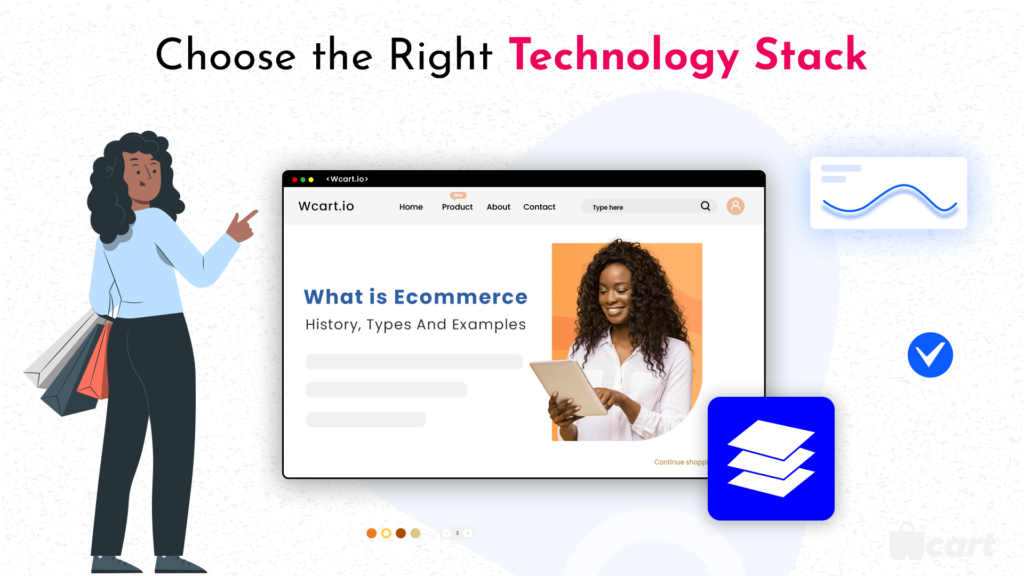
- Evaluate Frontend Frameworks: Research and select a frontend framework that aligns with your business requirements and development expertise. React, Angular, and Vue.js are among the popular choices for implementing a headless ecommerce solution.
- Select a Backend CMS or ecommerce Platform: Identify a backend system that supports headless architecture and provides the necessary features for your ecommerce needs. Examples include Contentful, Magento, and Shopify Plus.
Develop APIs for Data Exchange:
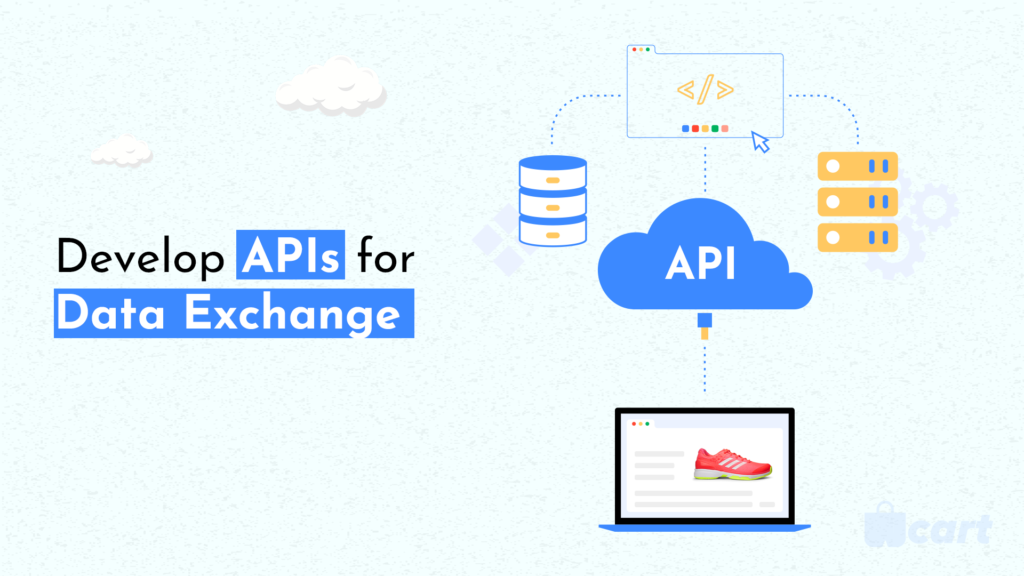
- Restful APIs and GraphQL: Determine the type of APIs you will use for data exchange between the frontend and backend. Restful APIs and GraphQL are commonly used options. Assess the advantages and considerations of each to make an informed decision.
- Authentication and Security Considerations: Implement secure authentication mechanisms to ensure data integrity and protect sensitive customer information. Consider using tokens, OAuth, or other industry-standard authentication protocols.
Collaborate with Designers and Developers:
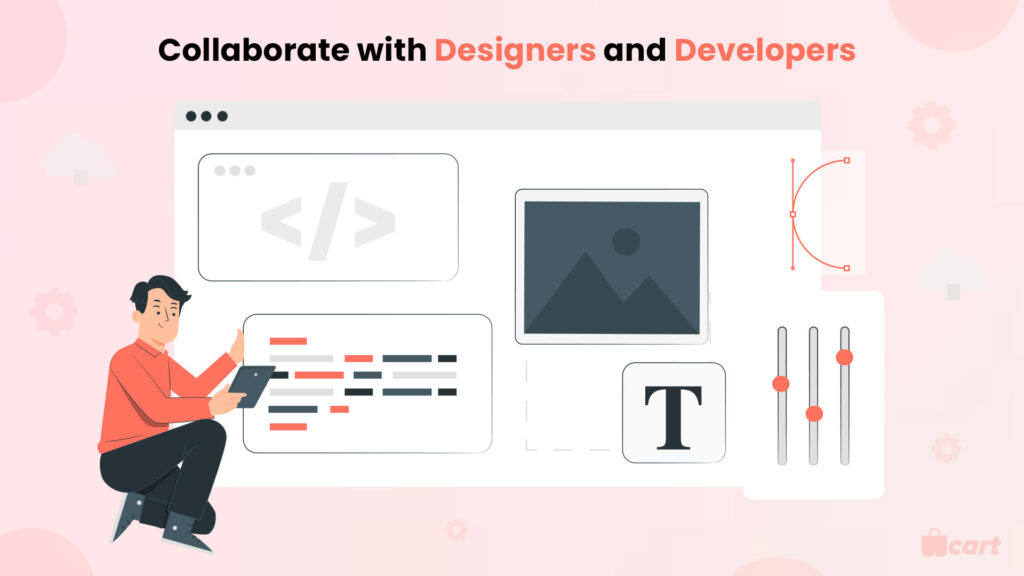
- Design a Captivating User Interface: Work closely with designers to create an engaging and visually appealing user interface that aligns with your brand identity and provides a seamless user experience.
- Ensure Smooth Integration and Functionality: Foster collaboration between frontend and backend developers to ensure smooth integration of the design with the ecommerce platform. Test and verify that all functionalities, such as product listing, cart management, and checkout processes, work seamlessly.
Migrate or Create Content:
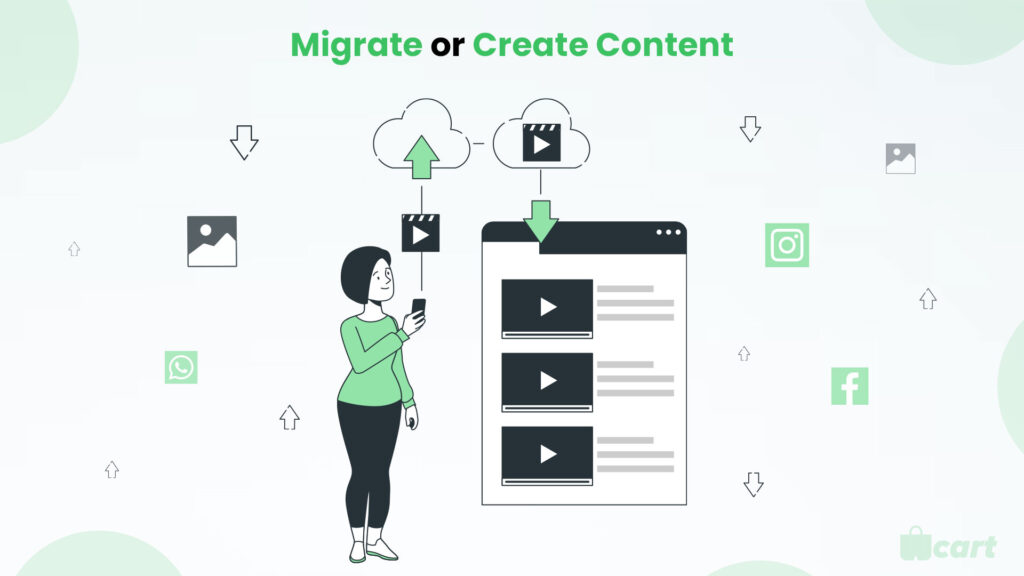
- Migrate Existing Content: If you are transitioning from a traditional ecommerce platform to a headless architecture, plan and execute the migration of your existing content to the new system. While Ensuring data integrity and making necessary adjustments for the decoupled structure.
- Create New Content: If starting from scratch, develop and organize your content within the backend CMS, ensuring it is structured in a way that aligns with your front-end requirements. Consider content modeling, metadata, and SEO best practices.
Testing and Quality Assurance:
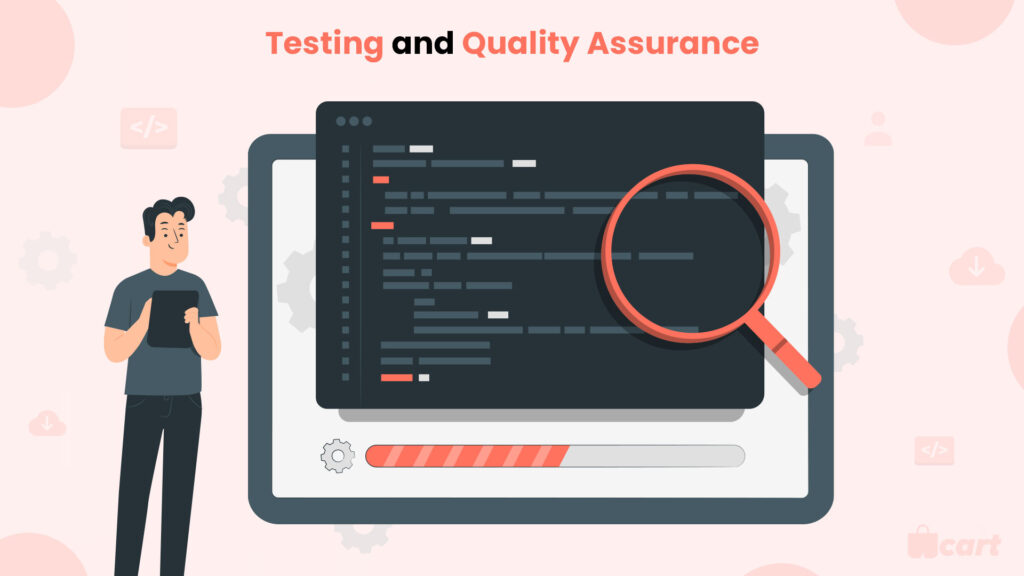
- Conduct Thorough Testing: Perform rigorous testing of the entire headless ecommerce solution, i.e. frontend interactions, API responses, data synchronization, and compatibility across devices and browsers.
- Address Bugs and Issues: Identify and address any bugs or issues that arise during testing, ensuring a smooth and error-free user experience.
Deployment and Launch:
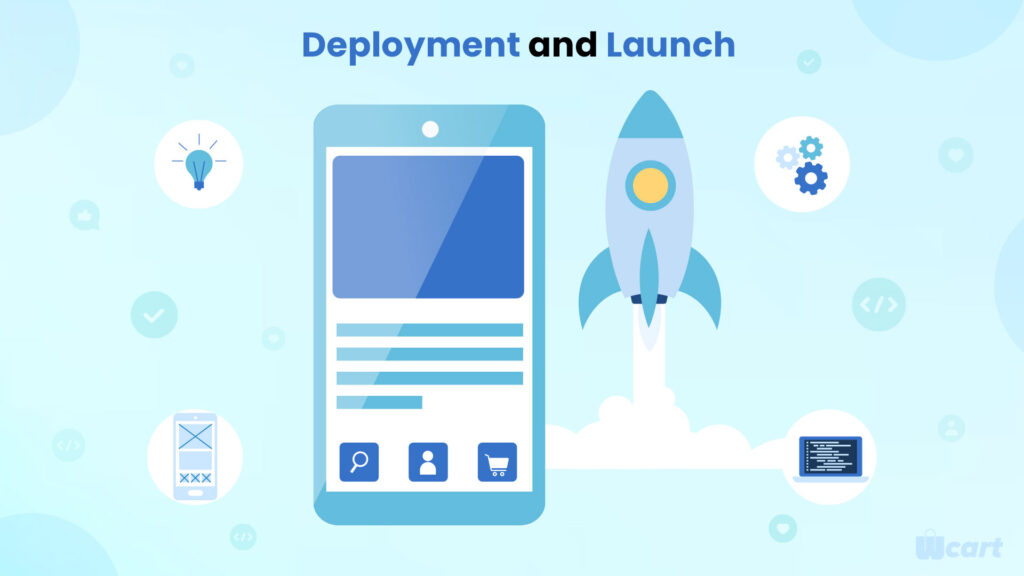
- Deployment Strategy: Plan your deployment strategy, whether it involves deploying to a cloud infrastructure, utilizing a content delivery network (CDN), or other appropriate hosting options.
- Monitor Performance: Continuously monitor the performance of your headless ecommerce solution post-launch. Monitor metrics such as site speed, uptime, and user interactions to identify areas for optimization.
By following these steps, businesses can successfully implement a headless ecommerce solution, empowering them to deliver customized experiences, optimize performance, and integrate seamlessly with external services and according to industry analysts, over 70% of enterprise ecommerce platforms will adopt headless or composable architecture by the end of 2026 to improve agility and scalability.
Best Practices for Headless Ecommerce Implementation
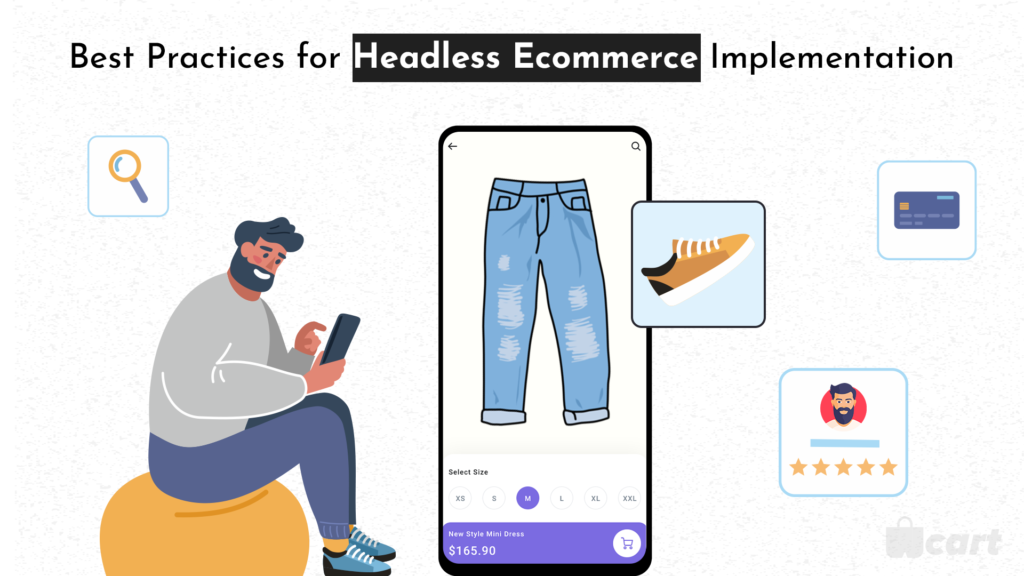
Implementing a headless ecommerce solution requires careful planning and execution. To ensure a successful implementation, consider the following best practices:
Conduct Thorough Research and Planning:
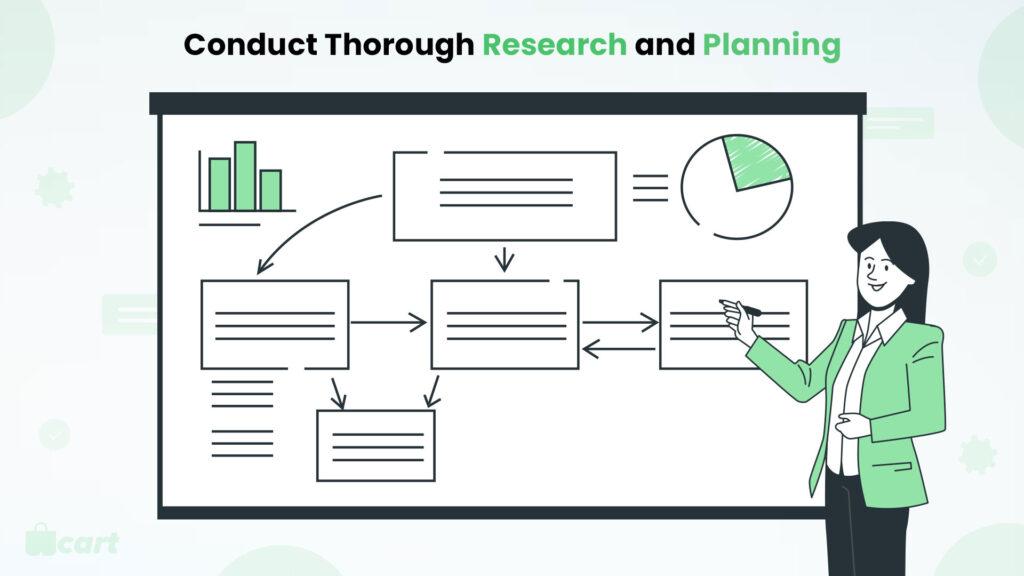
- Understand your business requirements: Clearly define your business goals, target audience, and desired features to select the most suitable headless ecommerce solution.
- Research technology options: Explore different frontend frameworks, backend CMS or ecommerce platforms, and API technologies to make informed decisions based on your project requirements and technical expertise.
- Plan the migration or development process: Create a detailed roadmap outlining the steps, timeline, and resources needed for a smooth implementation.
Prioritize Seamless Integration and Data Synchronization:
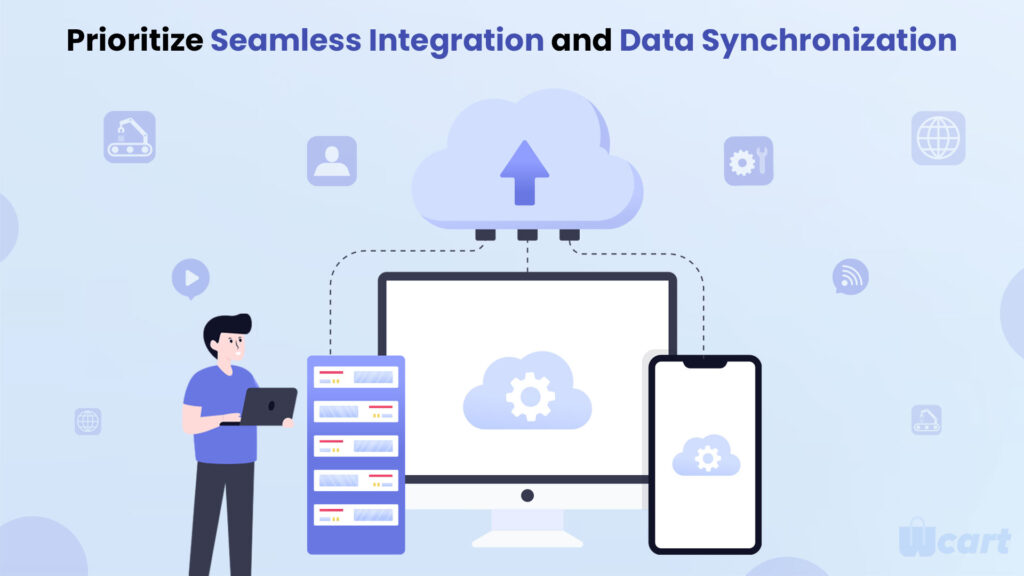
- Define data models and structures: Plan and design your data models to ensure seamless integration between the frontend and backend components.
- Establish synchronization processes: Implement reliable data synchronization mechanisms to keep data consistent and up to date across different systems and channels.
- Enable real-time updates: Whenever possible, leverage real-time updates through event-driven architectures or web sockets to provide the most accurate and current information to users.
Implement Robust Testing and Quality Assurance Processes:
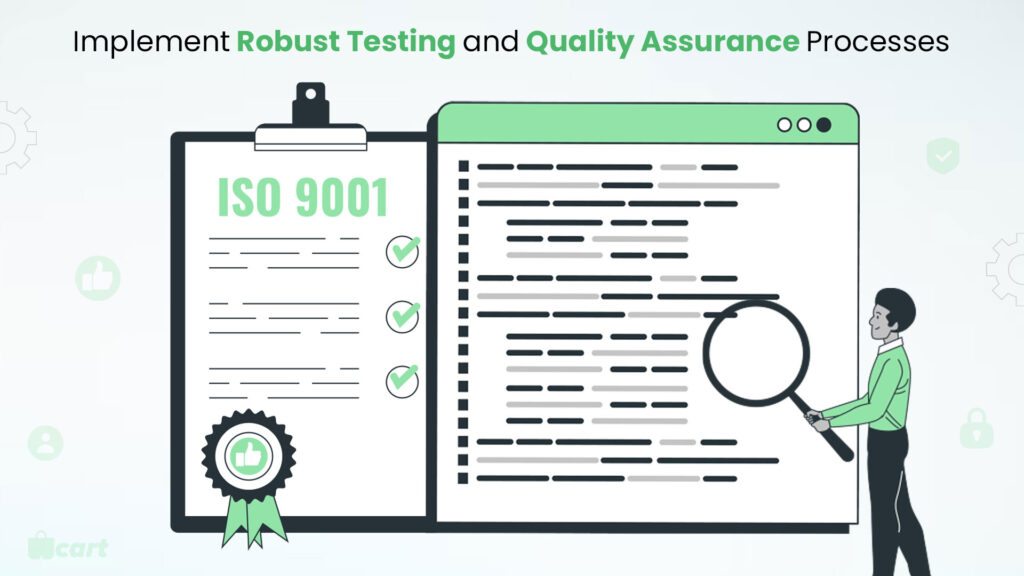
- Perform comprehensive testing: Conduct thorough testing of the frontend, backend, and API integrations to ensure functionality, compatibility, and performance. Test across various devices, browsers, and user scenarios.
- Test scalability and performance: Simulate high-traffic scenarios to evaluate the scalability and performance. Identify and address any bottlenecks or performance issues.
- Implement automated testing: Utilize automated testing tools and frameworks to streamline the testing process, ensure consistency, and facilitate faster regression testing.
Continuously Monitor and Optimize Performance:
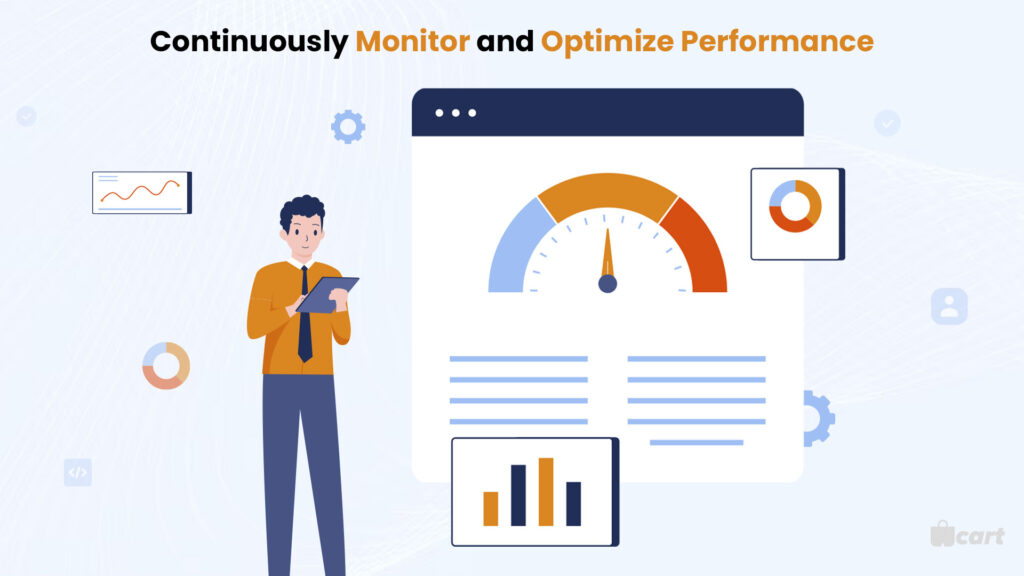
- Monitor system performance: Utilize monitoring tools to track system performance, i.e. server response times, API performance, and user experience metrics. Identify and address performance bottlenecks promptly.
- Optimize frontend delivery: Leverage techniques such as code splitting, lazy loading, and caching to optimize frontend delivery and enhance page load times.
- Regularly review and optimize: Continuously review and optimize your headless ecommerce solution to improve performance, scalability, and user experience. Keep up with technology updates and industry best practices.
By following these best practices, businesses can ensure a successful implementation of their headless ecommerce solution. These practices help such as streamline the integration process, ensure data consistency, deliver a high-performing system, and provide a seamless user experience across channels.
Why Choose WCART for Headless Ecommerce
WCART provides a powerful and scalable headless ecommerce solution designed for growing businesses.
Key Advantages:
- Faster website performance with optimized architecture
- Custom frontend tailored to your business needs
- Seamless integration with third party tools
- Scalable infrastructure for high growth brands
- Cost effective compared to global platforms
👉 Businesses can launch faster scale efficiently and deliver better user experiences using WCART.
Which Businesses Succeed with Headless Ecommerce? (Case Studies)
Examining real-life e.g. of businesses that have successfully implemented headless ecommerce can provide valuable insights into its benefits and potential impact. Here are two case studies showcasing success stories in the realm of headless ecommerce:
Case Study 1: Improving Conversion Rate for a D2C Fashion Brand
Challenge:
A growing direct to consumer clothing company in India suffered from slow website performance and limited flexibility on their traditional ecommerce platform.High bounce rates and a bad mobile experience resulted from their average page load time of more than four seconds.
Solution:
The brand migrated to a headless ecommerce solution using WCART. A current JavaScript framework was used to construct a unique frontend that allowed for quicker loading of dynamic content depending on user behavior and customized product recommendations.
Results:
- Page load time reduced from 4.2 seconds to 1.6 seconds
- Conversion rate increased by 27% within 60 days
- Bounce rate decreased by 32%
- Mobile user engagement improved significantly
Key Takeaway:
By using a headless ecommerce strategy the business offered a speedier and more personalized shopping experience which instantly raised conversions and retention.
Case Study 2: Scaling a Multi Vendor Marketplace with Headless Commerce
Challenge:
A fast growing multi vendor electronics marketplace faced major scalability issues during high traffic periods. Their traditional platform struggled with slow performance integration limitations and frequent downtime during peak sales.
Solution:
The company implemented a headless ecommerce architecture with WCART separating frontend and backend. This allowed seamless integration with payment gateways logistics providers and marketing tools. A scalable cloud infrastructure was also deployed.
Results:
- Website performance improved by 40% during peak traffic
- Downtime reduced by 90%
- Order processing speed increased by 35%
- Successfully handled 3x traffic growth without issues
Key Takeaway:
Without being constrained by technology headless ecommerce allowed the marketplace to develop quickly, enhance operations and scale effectively.
Who Should Use Headless Ecommerce?
Best fit for:
- Growing ecommerce brands
- Marketplaces & multi-vendor platforms
- Businesses targeting omnichannel sales
- Enterprises focused on speed & UX
May not be ideal for:
- Small businesses with basic needs
- One-product stores
- Businesses without technical support
Conclusion
The headless ecommerce solution provides businesses with a customizable and flexible online presence, separating the frontend and backend of the platform to enhance user experiences, improve performance, integrate external services, gain a competitive edge, increased customer engagement, and significant business growth.
Whether it’s transforming the customer journey, streamlining operations, or expanding market reach, headless ecommerce has proven to be a game-changer for businesses seeking to thrive in the dynamic digital landscape. So, Embracing the advantages of headless architecture can empower businesses to elevate their online presence and deliver exceptional user experiences that drive success in the ever-evolving world of ecommerce.
Frequently Asked Questions(FAQs)
Is headless ecommerce expensive?
It can have higher upfront costs but offers better long term ROI through improved performance and scalability.
Can small firms use headless ecommerce?
Your needs will determine this. Traditional platforms could be used by small firms with straightforward needs.
How much time does it take to implement headless ecommerce?
It typically takes four to twelve weeks, depending on the intricacy and connections.
Does headless ecommerce improve SEO?
Yes faster page speed and better performance can positively impact SEO rankings.
Is a headless ecommerce solution suitable for every business?
While headless ecommerce solutions offer flexibility and customization options, they may not be suitable for every business. Hence Smaller businesses with limited technical resources or simpler ecommerce requirements may find traditional ecommerce platforms more suitable.


























Leave a Reply