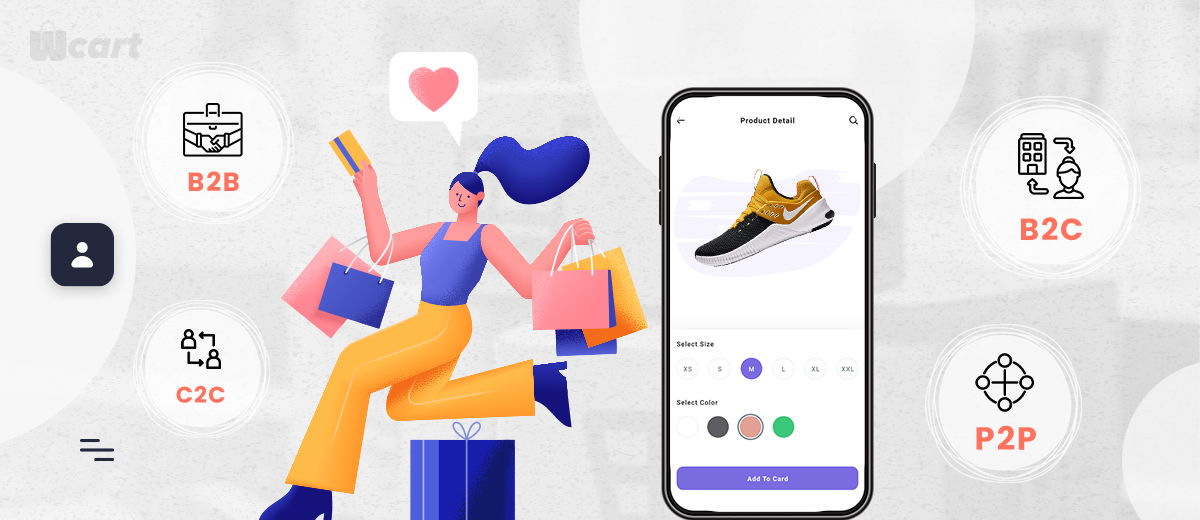
Ecommerce business model defines who a company sells to, how products reach customers, and how the business earns revenue. The 12 most common models in 2026 are B2C, B2B, C2C, subscription, dropshipping, P2P, marketplace, PaaS, D2C, C2B, B2G, and B2B2C each suited to different products, audiences, and growth strategies.
Ecommerce in 2026 offers diverse business models, each catering to unique market needs. From subscription services to dropshipping, these models adapt to consumer preferences, emphasizing convenience, personalization, and sustainability. Success hinges on aligning with customer values and leveraging technology for efficiency.
Global ecommerce sales are projected to reach $6.88 trillion in 2026, accounting for roughly 21.1% of total retail sales worldwide (Source: Shopify). Over 2.86 billion people now shop online (Source: SellersCommerce), and marketplace platforms alone account for more than 60% of that global online spend(Source: Coherent Market Insights).
As a result of this growth businesses of all sizes are moving their physical locations online and looking into new strategies for revenue creation, customer interaction and product sales.
In this guide we explain 12 ecommerce business models in 2026. You will also see real examples comparison tables and helpful tips that can help you choose the right model for your business.
Ready to Run Your Store Through WhatsApp?
Create your Wcart store and manage products, prices, stock, and orders simply by chatting on WhatsApp – no dashboard needed.
An ecommerce business model describes how an online company sells products or services and earns revenue through the internet.
It explains:
the type of customers the company serves
the products or services it offers
how the buying process works
how the company generates profit
For example some ecommerce businesses sell products directly to customers through their online store.
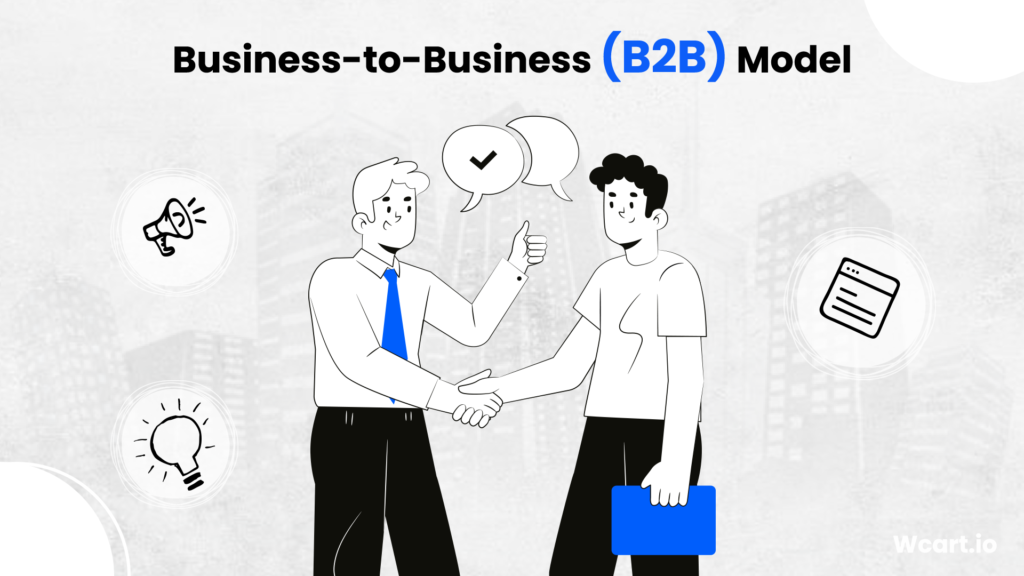
Some businesses sell software, services or goods to other enterprises .
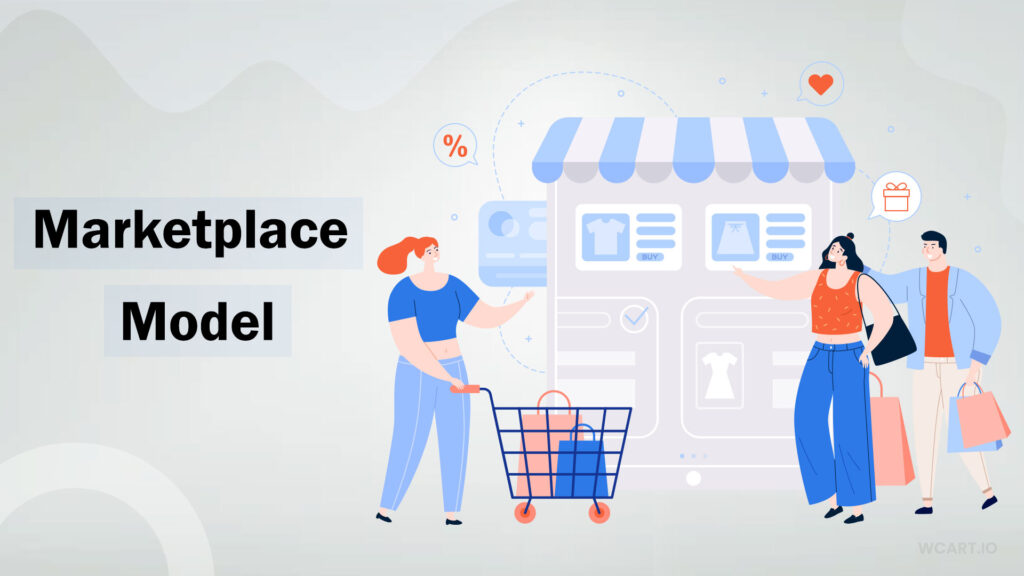
Certain platforms facilitate transactions between buyers and sellers in exchange for a commission or service fee.
Business owners may develop a clear strategy to expand their company, generate revenues and achieve long term success by having a solid understanding of ecommerce business models.
Ecommerce Business Model Statistics (2026)
The rapid growth of digital commerce is opening up a plethora of new business prospects for companies worldwide.
Some important ecommerce statistics include:
Ecommerce now accounts for roughly 21.1% of total global retail sales, with that share projected to climb to 22.5% by 2028 (Source: Shopify)
Marketplace platforms generate over 60% of global online sales, making the marketplace model the single largest channel in ecommerce today (Source: Coherent Market Insights, via Fungies.io)
The global B2B ecommerce market is projected to exceed $32 trillion in 2026, dwarfing B2C sales in raw transaction volume even though B2C gets most of the consumer attention (Source: Flowlu)
Social commerce is projected to exceed $1.63–$2.11 trillion in 2026, growing at a CAGR above 29%, and is increasingly functioning as a direct sales channel rather than just product discovery (Source: Charle Agency; Mordor Intelligence, via Fungies.io)
These figures demonstrate how ecommerce business models are always evolving as technology advances and consumer demands change.
Traditional Ecommerce Business Models
The fundamental methods by which buyers and sellers conduct business with one another are explained by traditional ecommerce models.
1. B2C (business-to-consumer)
The most popular ecommerce business model is the business to consumer (B2C) model in which businesses sell goods directly to consumers. In this strategy, businesses use ecommerce platforms or online stores to sell goods directly to consumers.
Consumers browse the website, look for products, place online orders and have their purchases delivered or downloaded digitally.
Key Features
Direct sales to individual customers
Very large customer market
Strong focus on marketing and branding
Short buying decisions
Examples
Amazon
Walmart
Apple
Nike
Ready to grow your ecommerce business through conversational selling?
Businesses are adopting flexible ecommerce systems that separate the frontend user interface from backend systems.
Quick Commerce
Ultra fast delivery services are becoming more common especially in large cities.
Conclusion
Choosing the right ecommerce business model is one of the most important decisions when launching an online enterprise.
Each model offers distinct advantages based on the target market and long term goals of your product.
Knowing these models can help you build a successful and scalable online shop regardless of whether you choose a B2C or direct to consumer dropshipping marketplace.
As ecommerce grows companies that adapt to new technology and changing consumer behavior will be the most successful.
**What are the most popular ecommerce company models?**
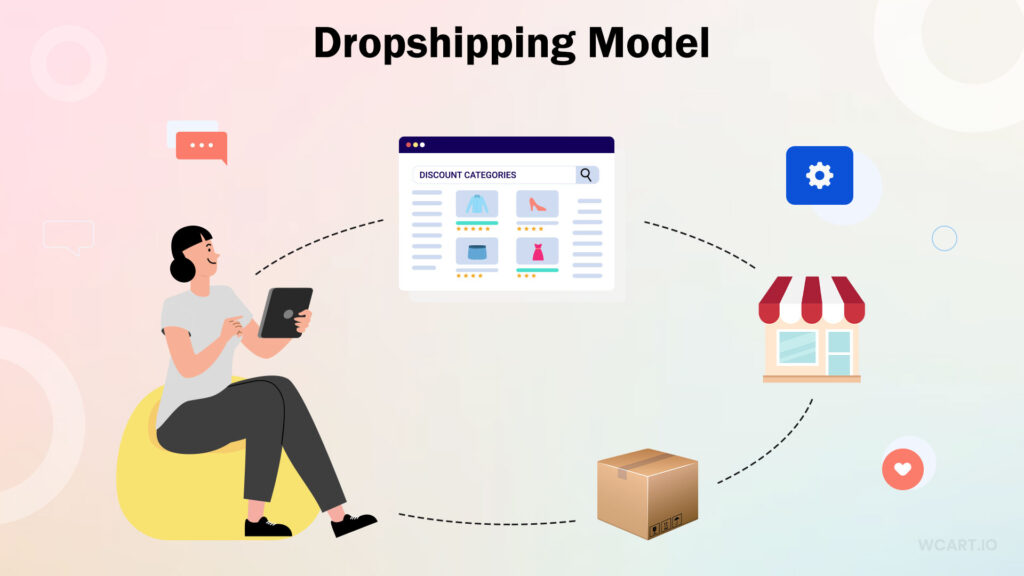
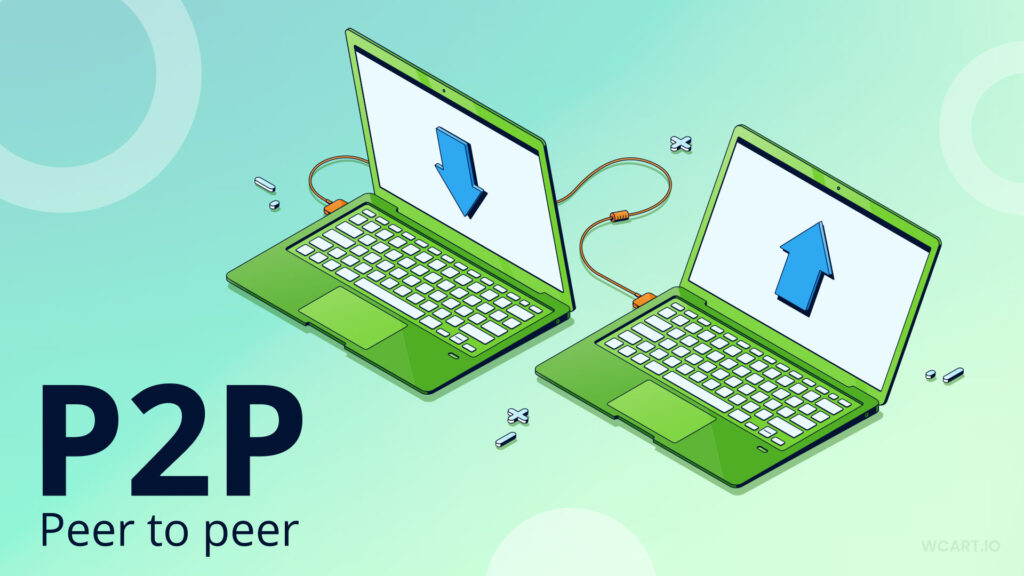
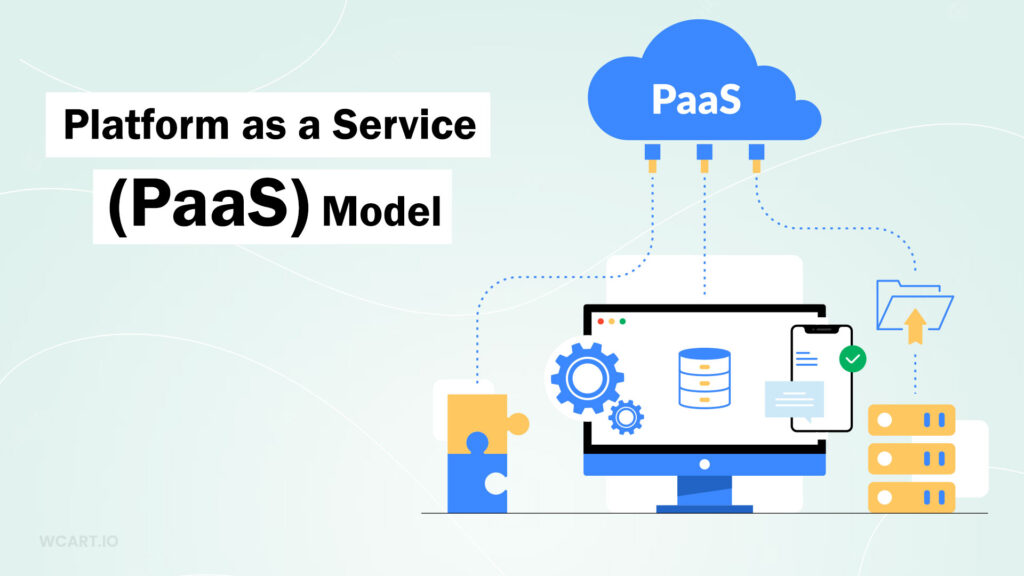
The most common ecommerce models include B2C, B2B, C2C subscription, dropshipping markets, D2C, C2B, B2G and B2B2C.
**What is the best ecommerce company approach for beginners?**
Dropshipping and B2C ecommerce are popular choices because of their lower beginning expenses.
**What is the most profitable ecommerce business model?**
Direct to consumer and subscription models can yield higher profit margins since businesses sell directly to customers.
**Can ecommerce companies use multiple business models?**
Yes many successful ecommerce companies combine multiple business models to increase revenue and reach more customers.
**What is the fastest growing ecommerce model?**
Subscription ecommerce and direct to consumer brands are currently among the fastest growing ecommerce models.
**What ecommerce business model works best for digital products?**
Subscription and digital product models tend to fit best, since there’s no physical inventory or shipping involved, and recurring revenue (subscriptions) or one-time digital sales (courses, software, ebooks) both scale efficiently without added logistics cost.
**Can a business change its ecommerce model after launching?**
Yes, and many do. Businesses commonly start with one model often B2C or dropshipping and layer in others as they grow, such as adding a marketplace component or shifting toward subscription revenue.
**Which ecommerce business model has the lowest startup cost?**
Yes, and many do. Businesses commonly start with one model often B2C or dropshipping and layer in others as they grow, such as adding a marketplace component or shifting toward subscription revenue.
Rahul
Rahul B is an eCommerce writer at Wcart focused on business models and strategy. He breaks down retail versus ecommerce, the main types of ecommerce business models with real examples, and systems like order management. His articles help entrepreneurs choose the right model and run it well.



























Leave a Reply